
Table of Contents
What is B2B corporate gifting?
In the fast-paced world of B2B commerce, digital noise is constant. Emails are ignored, and meeting requests are filtered out. To cut through this, successful businesses are returning to a timeless, tactile strategy: corporate gifting.
Far from being a mere seasonal custom, B2B corporate gifting has evolved into a sophisticated marketing and relationship-management tool. When executed strategically, it transforms cold prospects into warm leads and turns standard client relationships into enduring partnerships.
For businesses in competitive landscapes like Hyderabad’s tech and pharmaceutical hubs, understanding how to use physical touchpoints to build emotional resonance is a significant competitive advantage. This guide explores the strategic nuances of B2B gifting, helping you move from transactional exchanges to meaningful connections.

What is B2B Corporate Gifting?
Snippet Definition: B2B corporate gifting is the intentional, strategic practice of sending high-quality, relevant items to prospects, clients, partners, and employees. Unlike generic promotional swag, modern B2B gifting is designed to build trust, reinforce brand identity, and express appreciation, ultimately accelerating sales cycles and improving long-term stakeholder retention.
Why it Matters to Corporate Brands
In a world dominated by fleeting digital interactions, a physical gift holds weight—literally and metaphorically. Here is why it remains a critical branding pillar:
- Humanizing the Brand: Digital communication often feels impersonal. A thoughtful gift signals that there is a human team behind the brand, valuing the recipient as an individual, not just a line item in a CRM.
- Building Positive Reciprocity: Psychological principles of reciprocity suggest that when we receive something of value, we are naturally inclined to respond favorably. A well-timed gift can open doors that were previously closed.
- Creating Lasting Impressions: While a digital ad is forgotten in seconds, a high-quality gift on a desk serves as a daily, tangible reminder of your company’s professionalism and attention to detail.
How it Works: The Strategic Implementation
A successful gifting program is never accidental. It is a planned operation integrated into the broader customer or employee journey.
- Define Your Objective: Are you trying to break into a new account, celebrate a contract renewal, or improve internal team morale? Your goal dictates the “what” and the “when.”
- Identify the Audience: A one-size-fits-all approach rarely works. Segment your recipients based on their role, relationship tenure, and business value to the organization.
- Choose the Right Timing: The impact of a gift is magnified by context. Align your sends with meaningful triggers like project milestones, contract anniversaries, or successful collaboration completions.
- Prioritize Quality & Compliance: Ensure your gifts meet corporate compliance standards (especially in sectors like pharma) and reflect your brand’s quality. A poor-quality gift can damage the very brand it aims to promote.
Types of B2B Gifts
Not all gifts serve the same purpose. Here are the primary categories:
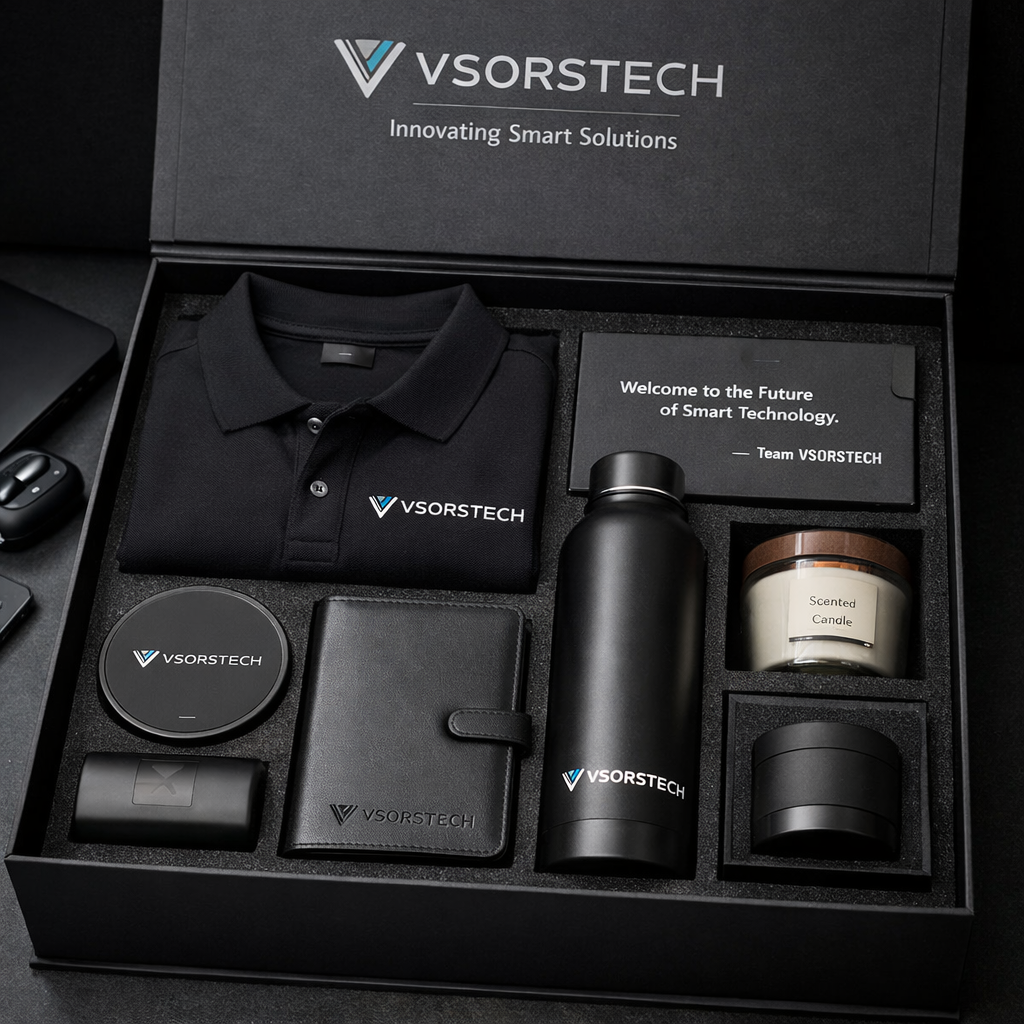
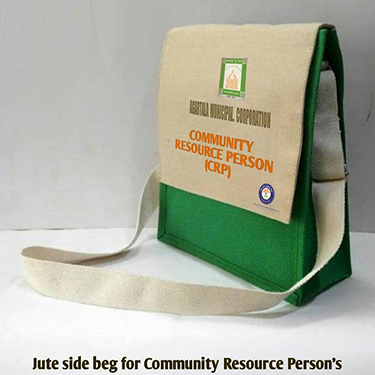
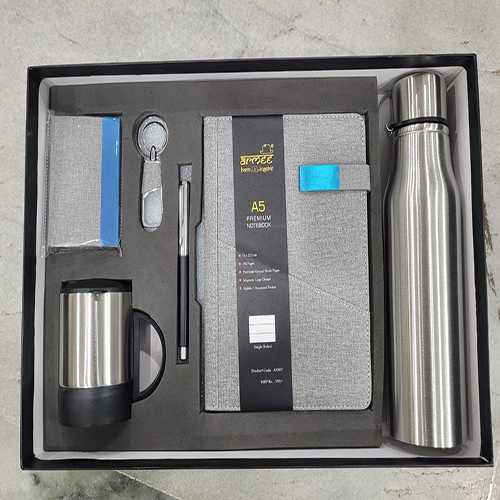
- Physical/Tangible Gifts: Premium items like tech gadgets, high-quality drinkware, or ergonomic office accessories. These are best for sustained daily use and brand recall.
- Experience-Based Gifts: Tickets to local industry events, spa vouchers, or gourmet dining experiences. These create memorable stories, not just clutter.
- Digital & Flexible Options: E-gift cards or subscription services (e.g., streaming or professional development platforms). These offer the recipient the “power of choice,” which is often highly appreciated.
- Curated Hampers: Bundled items (e.g., artisanal snacks, coffee kits, or wellness sets). These are excellent for celebratory occasions or “welcome” packages.
Benefits for Brand Recall and Loyalty
When integrated correctly into your sales and HR workflows, B2B gifting provides measurable ROI:
- Enhanced Sales Momentum: Gifting can “warm up” cold leads or re-engage stalled opportunities, leading to faster discovery calls.
- Reduced Customer Churn: Clients who feel genuinely appreciated are significantly less likely to switch to a competitor. Gifting reinforces the value of the partnership during renewal phases.
- Improved Employee Morale: Employees who receive milestone recognition or appreciation kits report higher satisfaction levels. A happy team acts as your best brand ambassador.
Common Mistakes or Misconceptions
- The “Generic Swag” Trap: Sending mass-produced, low-quality pens or keychains does little to build loyalty. If it feels like an afterthought, it will be treated like one.
- Ignoring Context: Sending a gift out of the blue, without a clear professional reason, can feel overly transactional or even suspicious. Always tie the gift to a specific interaction or milestone.
- Forgetting Logistics: An amazing gift that arrives damaged, late, or at the wrong office address loses all its impact. Invest in a partner who handles “last-mile” fulfillment.
Practical Application Examples
- The “Account-Based” Play: An SDR sends a high-end, branded coffee kit to a key executive at a target account, referencing a specific pain point mentioned in their recent report. This acts as an icebreaker that leads to a meeting.
- The Onboarding Milestone: A new hire in a Hyderabad tech park receives a “Welcome Kit” featuring a quality laptop sleeve, a customized notebook, and a message from the leadership team. This creates immediate organizational belonging.
- The Renewal Celebration: After signing a 3-year contract, a client receives a curated hamper with a handwritten note thanking them for their trust. This solidifies the partnership and sets the tone for long-term collaboration.
FAQs
1. Is B2B corporate gifting considered bribery? Not when done ethically. Professional gifting follows strict transparency and value limits. Most companies have clear policies; always ensure your gifts comply with the recipient’s corporate policy.
2. How do I choose the right budget? The budget should align with the potential value of the account or the importance of the employee. Categorize your gifting into tiers—Standard, Professional, and Executive—to manage costs effectively.
3. What is the most effective type of B2B gift? Gifts that offer “universal utility” (e.g., high-quality drinkware, tech organizers) are highly effective because they are used daily, keeping your brand top-of-mind.
4. How do I personalize gifts at scale? Use professional B2B gifting platforms that allow for variable data printing (e.g., individual names) and automated, personalized handwritten notes.
5. When is the best time to send a corporate gift? Tie it to professional triggers: project completions, milestones, anniversaries, or contract renewals. This ensures the gift feels earned and contextual.
6. Can I use digital gifts in B2B? Yes, especially for initial outreach. E-gift cards offer the recipient flexibility and allow them to choose something they truly need, which reduces waste.
7. How do I measure the ROI of a gifting program? Track metrics like meeting acceptance rates, contract renewal percentages, employee engagement scores, and anecdotal feedback from stakeholders.
A Strategic Conclusion
B2B corporate gifting is not just about the object you send; it’s about the relationship you nurture. By viewing gifting as a strategic investment rather than a one-off expense, you open the door to deeper trust and more profitable partnerships. Whether you are aiming to win new business or retain your most valuable employees, the right gift at the right moment can bridge the gap between a business transaction and a lasting, human connection.