
Table of Contents
Comprehensive Guide to the Best Piles Treatment in Hyderabad: Modern Laser Care, Causes, and Complete Recovery
Piles, medically known as hemorrhoids, have become one of the most widespread lifestyle-related health conditions in modern urban societies. In a booming metropolitan city like Hyderabad—where tech hubs in Hitech City, Gachibowli, and Madhapur foster long hours of desk-bound work—the incidence of anorectal disorders has risen sharply. Sedentary daily routines, irregular meal timings, inadequate dietary fiber, high consumption of processed or heavily spiced foods, and chronic stress contribute directly to elevated pelvic pressure and persistent constipation.
For many years, the fear of severe pain, long hospital stays, and protracted recovery periods prevented individuals from seeking timely medical care for hemorrhoids. Patients frequently endured physical discomfort, rectal bleeding, and emotional distress for months or years, relying on over-the-counter ointments that offered only temporary relief.
Fortunately, medical technology has evolved dramatically. Modern proctology offers Laser Hemorrhoidoplasty (LHP) and other advanced minimally invasive techniques that eliminate the need for traditional cutting and suturing. Patients seeking the Best Piles Treatment in Hyderabad now have access to international-standard laser proctology centers, experienced specialists, same-day discharge procedures, and near-painless post-operative recovery.
This comprehensive guide covers everything you need to know about hemorrhoids: their root causes, symptoms, clinical grading, non-surgical management, advanced laser procedures, cost expectations across Hyderabad, recovery protocols, and expert answers to frequently asked questions.
What are Piles (Hemorrhoid Disease)?
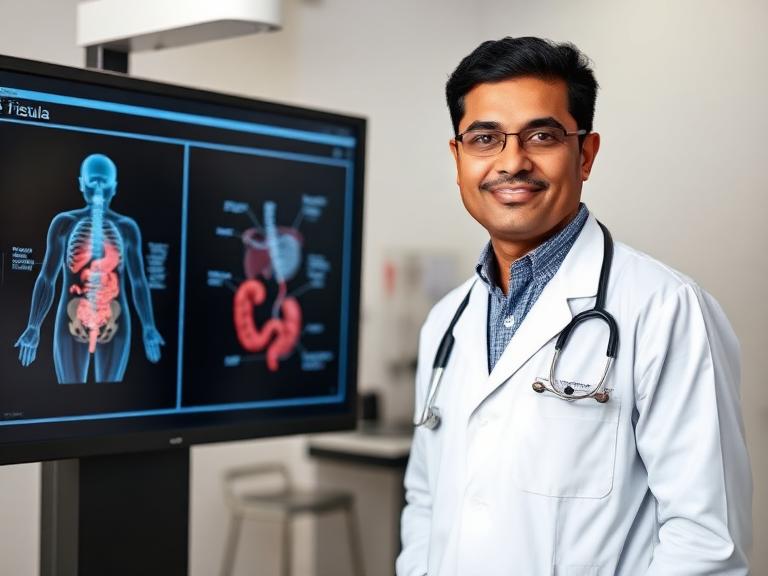
Hemorrhoids are naturally occurring vascular structures located inside the anal canal and distal rectum. They consist of arteriovenous channels, smooth muscle, and connective tissue. In their normal state, these vascular cushions assist in maintaining fecal continence and protecting the anal sphincter mechanism during bowel movements.
However, when these vascular structures experience chronic swelling, inflammation, or structural deterioration of their supporting elastic tissue, they transform into a pathological condition known as piles or hemorrhoid disease.
Normal Vascular Cushions  --->  Increased Pelvic Pressure / Straining
                                        │
                                        ▼
                           Engorgement & Inflammation
                                        │
                                        ▼
                        Pathological Hemorrhoids (Piles)
                                        │
                      ┌─────────────────┴─────────────────┐
                      ▼                                   ▼
              Internal Piles                      External Piles
      (Above Dentate Line: Bleeding)     (Below Dentate Line: Pain/Swelling)
Causes and Risk Factors of Piles
The primary pathophysiological mechanism behind hemorrhoids is the excessive elevation of intra-abdominal and pelvic venous pressure. Over time, this pressure compromises venous drainage, leading to engorgement and sagging of the anal cushions.
+-----------------------------------------------------------------------------------+
|                            PRIMARY CAUSES OF PILES                                |
+-----------------------------------------------------------------------------------+
| 1. Chronic Constipation & Excessive Straining during defecation                   |
| 2. Prolonged Sitting (e.g., Desk Jobs, Long Driving Hours, Extended Toilet Use)  |
| 3. Low Dietary Fiber & Inadequate Water Consumption                               |
| 4. Pregnancy & Postpartum Pelvic Floor Strain                                     |
| 5. Chronic Diarrhea or Irritable Bowel Syndrome (IBS)                             |
| 6. Heavy Weightlifting & Intensive Core Straining                                 |
| 7. Natural Aging & Degradation of Connective Tissue Support                       |
| 8. Genetic Predisposition to Weak Vascular Walls                                  |
+-----------------------------------------------------------------------------------+
1. Chronic Constipation and Straining
Passing hard, dry stools requires excessive bearing-down force. This repeated physical strain forces blood into the hemorrhoidal veins, causing them to stretch, dilate, and eventually prolapse.
2. Prolonged Sitting
Extended periods of sitting—common among IT professionals, drivers, and corporate employees across Hyderabad—impair venous circulation in the pelvic basin. Continuous downward gravity combined with poor posture increases pressure within the lower rectal veins.
3. Low-Fiber Diet and Dehydration
Modern urban diets rich in refined carbohydrates, fast food, and excessive spice, combined with low water intake, lead to small, hard bowel movements that are difficult to pass smoothly.
4. Pregnancy and Childbirth
During pregnancy, the growing uterus places direct mechanical pressure on the inferior vena cava and pelvic veins. Hormonal changes (specifically increased progesterone) relax vein walls, while physical exertion during delivery can exacerbate pre-existing hemorrhoids.
Types and Grading of Piles
To determine the most effective medical intervention, proctologists classify hemorrhoids based on their anatomical location relative to the dentate line (the mucosal boundary inside the anal canal) and their degree of tissue prolapse.
       [ RECTUM ]
          │
  ┌───────┴───────┐
  │ Internal Piles│ (Above Dentate Line - Painless, Bleeding)
  └───────┬───────┘
          │
  ━━━━━━━ Dentate Line ━━━━━━━
          │
  ┌───────┴───────┐
  │ External Piles│ (Below Dentate Line - Sensitive Skin, Pain, Swelling)
  └───────────────┘
1. Internal Piles
Internal hemorrhoids originate deep inside the anal canal above the dentate line. Because this area lacks somatic pain receptors, internal piles rarely cause pain in their early stages. Their primary sign is painless, bright red bleeding during or after bowel movements.
Internal hemorrhoids are further categorized into four distinct clinical grades:
| Grade | Clinical Characteristics | Typical Prolapse Behavior | Preferred Treatment |
| Grade 1 | Small mucosal swellings inside the anal canal. | No tissue prolapse outside the anus. | Dietary modifications, medications, lifestyle changes. |
| Grade 2 | Larger swellings that protrude during defecation. | Prolapses during straining but spontaneously retracts back inside. | Dietary management, sclerotherapy, IRC, or early laser ablation. |
| Grade 3 | Significant vascular enlargement and tissue sagging. | Prolapses during defecation and requires manual push to reduce. | Laser Hemorrhoidoplasty (LHP) or Stapled Hemorrhoidopexy. |
| Grade 4 | Advanced, irreversible tissue prolapse. | Permanently prolapsed; cannot be manually pushed back in. | Advanced Laser Surgery or Excisional Hemorrhoidectomy. |
2. External Piles
External hemorrhoids develop below the dentate line and are covered by highly sensitive skin rich in pain fibers. Symptoms include painful swelling, itching, burning, and local skin irritation around the anal opening. If blood pools inside an external hemorrhoid, it forms a painful clot known as a thrombosed external hemorrhoid, which requires prompt medical evaluation.
3. Mixed / Combination Piles
In many long-standing cases, patients present with a combination of internal and external piles. Modern laser proctology protocols effectively address both components during a single procedure.
Symptoms of Piles: When Should You See a Specialist?
Recognizing early warning signs prevents complications such as chronic anemia, strangulation, or severe infection. Seek medical evaluation if you experience any of the following:
+-----------------------------------------------------------------------------------+
|                            COMMON SYMPTOMS OF PILES                               |
+-----------------------------------------------------------------------------------+
| • Bright Red Rectal Bleeding (Blood drops in the toilet bowl or on toilet tissue)  |
| • Soft, Painless or Painful Bulges protruding from the anal opening               |
| • Persistent Itching, Irritation, or Burning sensation around the anus            |
| • Mucus Discharge or feeling of incomplete bowel evacuation                       |
| • Throbbing Pain during or after sitting and bowel movements                       |
| • Hard, Tender Lumps near the anal region (indicating thrombosis)                 |
+-----------------------------------------------------------------------------------+
Important Medical Note: While bright red rectal bleeding is a hallmark symptom of piles, bleeding can also indicate other gastrointestinal issues such as anal fissures, colorectal polyps, inflammatory bowel disease (IBD), or malignancy. A professional clinical examination by a qualified proctologist or gastrointestinal surgeon is essential for an accurate diagnosis.
Comparison of Piles Treatment Options
Treatment selection depends on the severity, location, and grade of hemorrhoids. Modern clinical practice prioritizes minimally invasive techniques that offer fast recovery, minimal pain, and negligible risk of tissue damage.
                          PILES TREATMENT PATHWAYS
                                     │
           ┌─────────────────────────┼─────────────────────────┐
           ▼                         ▼                         ▼
   Non-Surgical Care         Minimally Invasive            Traditional
  (Diet, Drugs, Fiber)       (Laser Therapy / LHP)        (Open Surgery)
           │                         │                         │
     Grade 1 Cases            Grade 2, 3 & 4 Cases        Severe / Complex
   Symptom Relief             Stitchless & Painless        Requires Cutting
   High Recurrence            Rapid 48-hr Recovery        Weeks of Recovery
Comprehensive Comparison Table
| Parameter | Dietary & Medical Management | Laser Hemorrhoidoplasty (LHP) | Conventional Open Surgery | Stapled Hemorrhoidopexy |
| Suitability | Grade 1 | Grade 2, 3, & select Grade 4 | Grade 4 & complex cases | Grade 3 & circumferential internal |
| Mechanism | Stool softeners & venotonics | Fiber-optic laser thermal shrinkage | Surgical excision with scalpel/cautery | Circular surgical stapling |
| Incision / Cuts | None | Zero (Stitchless) | Open surgical wounds | Internal stapled seam |
| Pain Level | None | Minimal to zero | High / Severe | Mild to moderate |
| Anesthesia | None | Local / Short Sedation | General or Spinal | General or Spinal |
| Hospital Stay | 0 Hours | Same Day Discharge (Daycare) | 2 to 4 Days | 1 to 2 Days |
| Recovery Time | Immediate | 24 to 48 Hours | 3 to 4 Weeks | 7 to 10 Days |
| Bleeding Risk | High if untreated | Negligible (Cauterized) | Moderate to High | Low to Moderate |
| Sphincter Injury | Zero | Zero (Preserved) | Small risk | Minimal risk |
| Recurrence Rate | High | Extremely Low (<2%) | Low | Low to Moderate |
Why Laser Treatment is the Best Piles Treatment in Hyderabad
Laser Proctology has transformed the clinical management of anorectal disorders. Modern medical facilities in Hyderabad utilize state-of-the-art 1470 nm radial fiber diode lasers.
+-----------------------------------------------------------------------------------+
|                    KEY ADVANTAGES OF LASER PILES TREATMENT                        |
+-----------------------------------------------------------------------------------+
| 1. STITCHLESS & BLOODLESS: No scalpels, incisions, or open surgical wounds.       |
| 2. SPHERICAL TISSUE PRESERVATION: Concentrated heat targets only diseased nodes.   |
| 3. ANAL SPHINCTER SAVING: Completely protects continent muscles and nerve supply.|
| 4. SAME-DAY DISCHARGE: Procedure takes 20–30 mins; go home in 4–6 hours.   |
| 5. RAPID RESUMPTION OF WORK: Resume normal routines within 2 to 3 days.           |
| 6. MINIMAL INFECTION RISK: Laser heat sterilizes the local tissue during ablation.|
| 7. EXTREMELY LOW RECURRENCE: Submucosal shrinkage stops blood supply to pile mass.|
+-----------------------------------------------------------------------------------+
How Laser Hemorrhoidoplasty (LHP) Works
- Precision Access: Under mild sedation or local anesthesia, a ultra-thin fiber-optic probe is inserted directly into the core of the hemorrhoidal tissue through a tiny puncture point.
- Targeted Energy Emission: The 1470 nm laser delivers controlled, uniform energy in a 360-degree radial pattern.
- Controlled Shrinkage: The laser energy coagulates the internal blood supply (feeding arteries) of the hemorrhoid node. This causes the swollen vascular cushion to shrink immediately while preserving the surrounding mucosa and anal sphincter muscle.
- Natural Fibrotic Fixation: Over the following 2 to 6 weeks, the shrunken tissue naturally undergoes fibrosis, securing the mucous membrane to the underlying muscular layer and preventing future prolapse.
Step-by-Step Patient Journey: What to Expect
1.Initial Specialist Consultation & Clinical Evaluation:Duration: 30 to 45 Minutes.
Your journey begins with a thorough diagnostic assessment by a senior proctologist or gastrointestinal surgeon. The specialist conducts a gentle physical examination and a digital rectal exam (DRE). An anoscopy or proctoscopy—using a small illuminated scope—is performed to visually confirm the exact grade, size, and location of the hemorrhoids and rule out coexisting conditions like anal fissures or fistulas.
2.Pre-Operative Preparation & Routine Health Clearance:Duration: Day of Admission.
Once laser therapy is recommended, basic diagnostic investigations (blood routine, coagulation profile, viral markers, and ECG) are performed. On the day of the procedure, a mild fleet enema is administered to ensure the rectum is clean. Fasting for 6 hours prior to sedation is required.
3.Laser Hemorrhoidoplasty (LHP) Procedure:Duration: 20 to 30 Minutes.
The patient is escorted to the advanced laser suite. Under short-acting intravenous sedation or local block, the proctologist uses a specialized radial laser fiber to systematically shrink each hemorrhoidal node. The entire process takes less than 30 minutes, involves no scalpel cuts or sutures, and causes zero operative blood loss.
4.Post-Procedure Monitoring & Same-Day Discharge:Duration: 4 to 6 Hours.
After a brief stay in the recovery lounge, the patient is given light liquid fluids and allowed to mobilize. Once vital signs are verified and the patient passes urine comfortably, discharge is completed the same evening with a full prescription and recovery guideline kit.
5.Home Recovery, SITZ Baths & Normal Routine:Duration: Days 1 to 3.
Recovery at home is straightforward. Patients consume stool softeners, follow a high-fiber liquid-to-soft diet, and take warm SITZ baths twice daily to soothe the pelvic area. Most individuals resume desk-based work and light daily activities within 24 to 48 hours.
Cost of Piles Treatment in Hyderabad
The cost of piles treatment in Hyderabad varies based on the severity of the condition, surgical technology, hospital accreditation, surgeon expertise, and room selection.
Estimated Cost Breakdown Across Hyderabad
| Service / Hospital Category | Estimated Price Range (INR) | What is Included? |
| Day Care Laser Package (General Ward) | ₹35,000 – ₹45,000 | Surgeon fees, laser fiber, daycare bed, OT charges, basic medicines. |
| Standard Laser Package (Semi-Private/Private) | ₹45,000 – ₹65,000 | Private room, surgeon & anesthesia fees, advanced laser kit, post-op kit. |
| Corporate Tertiary Care Hospitals | ₹60,000 – ₹90,000+ | Multi-specialty backup, single room/suite stay, comprehensive workup. |
Factors Influencing Overall Treatment Cost
- Severity & Grade of Piles: Grade 2 single-node laser shrinkage costs less than treating complex Grade 4 circumferential prolapsed piles combined with fissures.
- Type of Technology Used: Specialized 1470 nm laser equipment and disposable radial fibers incur a higher device cost but deliver superior safety and clinical outcomes.
- Insurance & Cashless Coverage: Most major health insurance policies in India cover laser proctology procedures under daycare benefits. Leading hospitals in Hyderabad provide zero-cost EMI payment facilities.
Preventive Measures and Post-Treatment Diet Protocols
Maintaining long-term anorectal health requires sensible lifestyle and dietary habits. These practices prevent first-time hemorrhoids and eliminate the risk of recurrence after treatment.
+-----------------------------------------------------------------------------------+
|                        THE 5 GOLDEN RULES OF ANORECTAL HEALTH                      |
+-----------------------------------------------------------------------------------+
| 1. EAT 25-35g FIBER DAILY: Include oats, psyllium husk, legumes, and leafy greens.|
| 2. HYDRATE ADEQUATELY: Drink 3 to 4 liters of clean water daily.                 |
| 3. LIMIT TOILET TIME: Never sit on the toilet for more than 3-5 minutes.         |
| 4. DO NOT SUPPRESS URGES: Answer bowel urges immediately to prevent hard stool.   |
| 5. STAY PHYSICALLY ACTIVE: Walk or exercise 30 minutes daily; avoid long sitting.|
+-----------------------------------------------------------------------------------+
High-Fiber Food Recommendations vs. Foods to Limit
  RECOMMENDED FOODS                          FOODS TO LIMIT / AVOID
  ├── Whole Grains (Oats, Brown Rice, Ragi)  ├── Refined Wheat (Maida, White Bread)
  ├── Legumes & Pulses (Lentils, Beans)      ├── Deep-Fried & Greasy Street Foods
  ├── Fresh Fruits (Papaya, Apples, Pears)   ├── Hyper-Spicy Chilies & Masalas
  ├── Vegetables (Spinach, Broccoli, Carrots)├── Excessive Caffeine & Alcohol
  └── Seeds (Flaxseeds, Chia Seeds, Psyllium)└── Processed Fast Foods & Frozen Meals
Why Choose Healthcare Facilities in Hyderabad for Piles Treatment?
Hyderabad has established itself as one of India’s premier medical destinations, offering world-class proctology care. Key advantages include:
- Experienced Proctology Specialists: Senior laparoscopic surgeons and dedicated proctologists with thousands of successful laser procedures.
- Cutting-Edge Laser Facilities: Hospitals equipped with 1470 nm diode lasers and high-definition video anoscopy systems.
- Transparent and All-Inclusive Pricing: Structured treatment packages with clear, upfront cost estimates and no hidden fees.
- Seamless Cashless Insurance Desk: Direct tie-ups with major TPAs, insurance providers, and zero-percent EMI financial services.
- Geographic Accessibility: Specialized clinics and multi-specialty centers across Banjara Hills, Jubilee Hills, Gachibowli, Secunderabad, Kukatpally, and Begumpet.
Frequently Asked Questions (FAQs)
1. What is the best piles treatment in Hyderabad?
Laser Hemorrhoidoplasty (LHP) is widely considered the best piles treatment in Hyderabad due to its stitchless, minimally invasive nature, near-zero bleeding, minimal post-operative pain, and rapid 24-to-48-hour recovery time.
2. Is laser piles surgery completely painless?
Yes, laser piles treatment causes virtually no sharp surgical pain because it involves no open incisions or suturing of sensitive mucosal tissues. Patients usually report only mild discomfort or a feeling of fullness for 1 to 2 days, which is easily managed with oral analgesics.
3. What is the average cost of laser piles surgery in Hyderabad?
The estimated cost for laser piles treatment in Hyderabad generally ranges between ₹35,000 and ₹90,000. The exact cost depends on the hemorrhoid grade, room category, surgeon expertise, and hospital choice.
4. Can piles be permanently cured without surgery?
Grade 1 and mild Grade 2 hemorrhoids can often be managed with high-fiber diets, lifestyle modifications, stool softeners, and topical creams. However, Grade 3 and Grade 4 prolapsed piles require procedural intervention like laser therapy for a definitive, long-term cure.
5. How long does recovery take after laser piles treatment?
Recovery is remarkably fast. Most patients can walk comfortably within a few hours of the procedure and return to desk jobs or light daily routines within 24 to 48 hours.
6. Is hospitalization required for laser piles treatment?
No, laser piles surgery is routinely performed as a daycare procedure. Patients are admitted in the morning, undergo the 20-to-30-minute procedure, and are discharged home the same afternoon or evening.
7. Does health insurance cover laser piles surgery in Hyderabad?
Yes, almost all major private health insurance companies, government health schemes, and TPAs provide cashless coverage for laser hemorrhoid procedures performed as daycare treatments.
8. What is the difference between internal and external piles?
Internal piles originate inside the lower rectum above the dentate line and primarily cause painless rectal bleeding during bowel movements. External piles develop under the sensitive skin around the anal opening, causing pain, swelling, itching, and palpable lumps.
9. Can piles reoccur after laser treatment?
The recurrence rate following precise laser hemorrhoidoplasty is exceptionally low (under 2% to 5%). Following a high-fiber diet, staying hydrated, and avoiding straining on the toilet keeps recurrence rates near zero.
10. What diet should I follow after undergoing piles treatment?
Focus on a soft, high-fiber diet including leafy greens, papaya, oats, lentils, soup, and psyllium husk, alongside 3 to 4 liters of water daily. Avoid spicy foods, deep-fried items, refined flour (maida), and alcohol during recovery.
11. Why are young IT professionals in Hyderabad highly prone to piles?
Long hours of continuous sitting at desk jobs, lack of physical activity, low daily fluid intake, stress, and high intake of fast food or heavily spiced meals contribute to chronic constipation and increased pelvic pressure among young professionals.
12. How does laser therapy compare to conventional open piles surgery?
Conventional open surgery uses scalpels to cut away pile tissue, leaving painful open wounds that require weeks of dressing and recovery. Laser therapy uses light energy to shrink the pile mass internally without cuts, stitches, or open wounds, enabling a pain-free return to work in 2 days.
13. Are there any side effects or risks associated with laser piles surgery?
Laser proctology has an outstanding safety record. Potential minor side effects are rare and limited to temporary mild spotting or localized swelling, both of which resolve spontaneously within a few days.
14. How soon can I travel or drive after laser piles surgery?
Patients can drive short distances and engage in light walking after 48 hours. Long-distance travel or flight journeys can typically be resumed comfortably within 3 to 5 days post-procedure.
15. Why should I consult a specialized proctologist instead of a general practitioner?
Dedicated proctologists and gastrointestinal laser surgeons possess advanced training in pelvic floor dynamics and modern laser technology. Their clinical expertise ensures accurate grading, optimal laser calibration, preservation of anal sphincter function, and lower recurrence rates.
Conclusion
Living with piles can significantly compromise your daily comfort and quality of life, but fear of painful surgery should never delay necessary medical care. Modern Laser Hemorrhoidoplasty (LHP) offers a safe, stitchless, fast, and virtually painless solution for hemorrhoid sufferers.
If you or a family member are experiencing rectal bleeding, pain, or swelling, consult a senior proctologist in Hyderabad today. Timely diagnostic evaluation ensures smooth same-day care, rapid recovery, and long-term relief.