
Table of Contents
Integrated Event Management Solutions in Hyderabad
Executing a modern corporate event, international trade exhibition, high-tech product unveil, prestigious award gala, or luxury social gathering requires an operational infrastructure that blends strategic planning with heavy technical execution. Professional Integrated Event Management Solutions in Hyderabad serve as the single, unified command engine for live productions. By consolidating 3D spatial CAD blueprinting, structural stage fabrication, fine-pitch LED display engineering, digital line-array sound dispersion, 3-phase electrical power grid deployment, loading dock freight logistics, and split-second Run-of-Show (ROS) stage calling into a single management architecture, integrated solutions eliminate the friction and risk inherent in fragmented multi-vendor setups
Hyderabad has solidified its standing as a major global economic and technology capital. Across primary commercial hubs—such as HITEC City, Gachibowli, the Financial District in Nanakramguda, Jubilee Hills, Banjara Hills, Gandipet, and Secunderabad—the standard for live event performance is exceptionally high. Hosting a corporate conference at HITEX Exhibition Centre, an international product reveal at HICC-Novotel, a B2B trade expo, or an executive summit at Taj Falaknuma Palace leaves zero margin for technical error. A single unhandled power outage, audio frequency drop, entrance check-in bottleneck, or mistimed stage cue can compromise brand reputation. Integrated event management providers deliver the structural discipline, technical infrastructure, and on-ground crisis control necessary to transform complex event designs into zero-defect live productions.
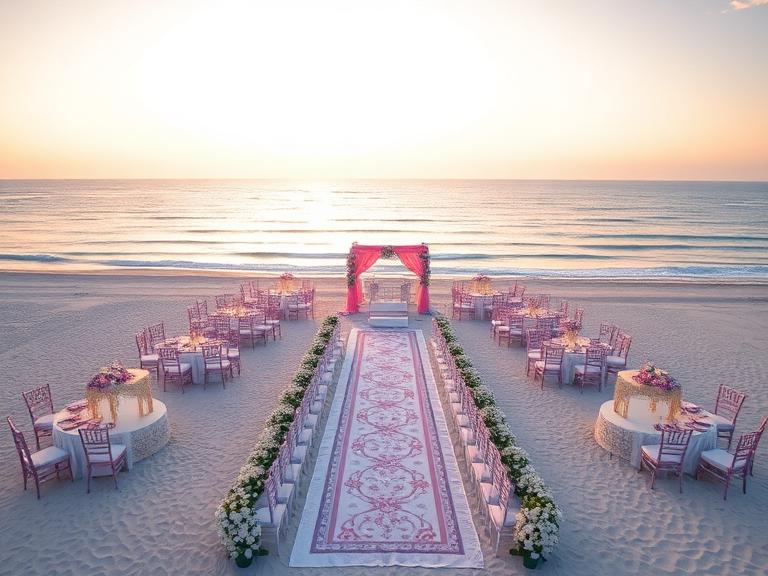
The Architectural Matrix: Fragmented Multi-Vendor Setups vs. Integrated Event Management Solutions
A fundamental operational division exists between managing isolated vendors and deploying an integrated event management solution. In traditional fragmented setups, event organizers are forced to contract separately with staging carpenters, audio-visual providers, power generator suppliers, registration tech vendors, catering teams, and security agencies. This siloed approach frequently results in misaligned arrival schedules, loading dock congestion, electrical overload conflicts, uncoordinated cue transitions, and zero single-point accountability when technical glitches occur on show day.
Integrated event management solutions replace isolated vendor management with a unified technical command structure. Under this model, every operational discipline is coordinated through a central project director and a master Front-of-House (FOH) show caller.
Integrated event solutions in Hyderabad rely on four primary operational pillars to ensure execution consistency:
The first pillar is spatial CAD blueprinting and heavy logistics management. Technical leads design accurate 2D/3D floorplans that map stage dimensions, fine-pitch LED screen resolutions, acoustic speaker placements, lighting truss rigging points, electrical main distribution boards, and emergency exit routes. Logistics marshals manage vehicle arrival schedules, dock unloading passes, hydraulic forklift movement, and floor load capacities to prevent loading bay bottlenecks at major convention centers.
The second pillar centers on technical audio-visual, display, and power grid engineering. Engineers deploy P1.8 or P2.5 indoor fine-pitch LED video walls, digital line-array sound systems, and DMX-controlled intelligent profile lighting setups. Power systems utilize twin silent Auto Mains Failure (AMF) diesel generators connected to online double-conversion UPS backbones, ensuring an automatic 3-second switchover during municipal grid failure.
The third pillar involves master Run-of-Show (ROS) stage calling and real-time execution. Stationed at the FOH control desk, an experienced show caller directs lighting operators, sound engineers, video server technicians, and stage ushers via closed-circuit headsets to trigger every audio, video, lighting, and presentation cue in real time.
The fourth pillar covers digital registration, audience analytics, and safety compliance. Integrated teams deploy automated self-service QR kiosks, thermal badge printers, RFID turnstiles, and live attendance dashboards while strictly enforcing National Disaster Management Authority (NDMA) safety standards across all public aisles and gangways.
Comprehensive Service Pillars of Integrated Event Management Solutions
Full-service integrated event management solutions in Hyderabad encompass six distinct operational domains:
Freight Logistics, Loading Dock Management & Structural Load-In
Operations leads coordinate loading dock passes for transport trucks to prevent vehicle gridlock at high-density venues. They deploy hydraulic forklifts, pallet jacks, crane operators, and rigging labor crews to unload staging materials safely. Furthermore, teams perform joint pre-event walkthroughs alongside venue facility managers to document existing floor and wall conditions, protecting organizers from improper damage claims during post-show teardown.
Technical Staging Fabrication, Fine-Pitch LED & Power Grids
Production crews erect custom wooden and steel stage structures, craft raised sub-floors, and hoist structural box trusses. Fine-pitch P1.8 or P2.5 indoor LED video displays are integrated into stage backdrops to deliver crisp 4K visual content without frame gaps. Electrical engineers build temporary 3-phase power distribution networks, laying heavy rubber-armored cable ramps across all gangways to eliminate trip hazards. Certified riggers perform structural point-load audits and chain hoist tests before elevating heavy lighting and screen structures overhead.
Master Run-of-Show (ROS) Directing & Backstage Command
Production leads author minute-by-minute master cue sheets mapping every presentation slide, video clip, lighting wash, walk-on stinger, and microphone activation. The master show caller sits at the Front-of-House control console, directing technical operators across all departments via closed-circuit headsets. Backstage managers oversee green room holding suites, fit wireless lapel microphones, review teleprompter scripts, and control presenter stage entrance timing.
Digital Registration, AI Turnstiles & Access Control
Integrated teams deploy automated self-service QR kiosks, rapid thermal badge printers, RFID wristband scanners, and dedicated check-in lanes. Live digital dashboards track venue capacity, hall density, and crowd movement across halls, preventing entrance queues during peak arrival hours.
Catering Synchronization & Hospitality Floor Control
Operations controllers send 30-minute and 10-minute advance timing warnings to banquet managers, ensuring buffet lines or plated meals are hot, fully set, and staffed before delegates exit session halls. Dedicated janitorial shifts maintain continuous sanitation across dining zones, coffee stations, and public restrooms throughout live show hours.
Post-Event Teardown, De-Rigging & Venue Restoration
Operations supervisors direct staggered vendor equipment dismantling sequences to prevent hall structural damage during packing. Teams complete joint post-event walkthroughs alongside facility owners to confirm complete site restoration and secure full security deposit returns.
Regional Venue Matrix Across Hyderabad’s Key Belts
Executing technical event operations requires adapting on-site logistics to venue-specific layouts across Hyderabad’s key business corridors:
HITEC City & Kondapur Commercial Belts
In high-density technology corridors housing venues like HITEX Exhibition Centre and HICC-Novotel, integrated solutions focus on heavy freight dock management, multi-hall 3-phase power grids, fine-pitch LED display setups, and high-capacity turnstile registration foyers.
Financial District & Nanakramguda Hubs
Serving global tech headquarters and financial institutions at venues like ITC Kohenur, Sheraton, and Oakwood, operations emphasize sleek C-suite stage designs, high-definition presentation servers, fine-pitch LED displays, and precision acoustic tuning.
Banjara Hills & Jubilee Hills Luxury Belts
In premier residential and luxury hospitality zones housing Taj Krishna, Taj Deccan, and Park Hyatt, integrated management focuses on corporate galas, high-profile award ceremonies, and private celebrations requiring elevated VIP escort protocols, ambient profile lighting, and custom spatial styling.
Central Hyderabad & Old City Heritage Zones
At iconic heritage locations including Chowmahalla Palace and Taj Falaknuma Palace, technical execution emphasizes non-invasive structural staging, outdoor weatherproofing, specialized acoustic tuning, and local municipal permissions to preserve historical architecture.
Secunderabad Commercial Corridors
In commercial and residential hubs housing venues like Classic Gardens and Imperial Gardens, integrated teams direct multi-hall corporate meets and trade fairs requiring structured parking logistics and multi-zone layout planning.
Master Sequential Integrated Event Management Workflow
Specialized integrated event management teams follow a disciplined chronological workflow to deliver zero-defect productions:
Phase 1: Spatial CAD Mapping, Power Grid Auditing & Freight Dock Scheduling (T-Minus 60 to 30 Days)
Engineers audit venue access paths, draft 2D/3D spatial CAD floorplans, map 3-phase power drops, calculate total wattage demands, and publish vendor load-in dock pass schedules.
Phase 2: Technical AV Contracting, Crew Booking & ROS Authoring (T-Minus 30 to 7 Days)
Teams finalize technical equipment contracts, issue crew call sheets, author minute-by-minute run-of-show cue sheets, and configure digital registration portals.
Phase 3: Loading Dock Control, Stage Build & Power Grid Wiring (T-Minus 3 to 1 Days)
Dock marshals manage transport vehicle flows while staging crews erect stage structures, wire main distribution power boards, route sub-floor cable ramps, and assemble registration kiosks.
Phase 4: Generator Switchover Tests, Rigging Audits & Rehearsals (T-Minus 24 to 2 Hours)
Technicians test dual generator switchovers, verify truss rigging load points, test ticket turnstiles, align wireless microphone frequencies, and execute full dress rehearsals with presenters.
Phase 5: Master Show Calling & Real-Time Floor Command (Live Event Hours)
The master show caller directs stage lighting, audio feeds, and video playbacks from the FOH console while floor managers monitor turnstile entry queues, sync catering breaks, manage green rooms, and ensure floor safety.
Phase 6: Staggered Teardown, Site Inspection & Final Settlement (Post-Event)
Production leads direct staggered equipment de-rigging, oversee venue cleaning, conduct final inspections alongside facility managers, and complete financial reconciliations.
Estimated Expenditure Allocation Models for Integrated Event Solutions
Integrated event management budgets scale based on venue square footage, technical AV complexity, structural fabrication needs, and delegate headcount:
Enterprise Corporate Summit (300 Delegates)
For a high-level corporate conference, freight dock logistics and labor management range from 150,000 to 350,000 INR. Fine-pitch LED video displays, digital line-array sound, and lighting rigs range from 400,000 to 950,000 INR. Power distribution panels and backup generator grids range from 200,000 to 450,000 INR. Turnstile entry badging technology ranges from 100,000 to 250,000 INR, with an operational management retainer ranging from 200,000 to 450,000 INR.
B2B Trade Expo (100 Exhibitor Stalls)
For a multi-hall exhibition, freight dock logistics and material handling labor scale from 450,000 to 950,000 INR. Shell booth fabrication and gangway carpeting range from 600,000 to 1,400,000 INR. Power distribution panels and generator grids range from 650,000 to 1,400,000 INR. Turnstiles, badging, and RFID lead retrieval tech range from 300,000 to 700,000 INR, with a master production management retainer ranging from 500,000 to 1,200,000 INR.
Mega Public Convention / Outdoor Festival (2,000+ Delegates)
For large-scale public assemblies, heavy structural stage fabrication, truss rigging, and ground builds range from 1,200,000 to 2,800,000 INR. Outdoor IP65 fine-pitch LED walls, delay speaker towers, and broadcast units range from 1,000,000 to 2,500,000 INR. Industrial 3-phase power distribution and multi-generator grids range from 800,000 to 1,800,000 INR. Turnstile entry gates, RFID badging, and crowd control setups range from 550,000 to 1,200,000 INR, with a master execution management retainer ranging from 1,000,000 to 2,200,000 INR.
Technical Risk Management & On-Ground Contingency Protocols
In live event environments, technical risk mitigation relies on pre-planned protocols executed in real time across common risk vectors:
Main Grid Electrical Power Blackout
Teams deploy twin silent AMF diesel generators running parallel with online double-conversion UPS backbones. In the event of an unexpected power drop, an automatic 3-second ATS switchover holds LED screens and audio signal processors online without frame drops.
Presenter Wireless Microphone Frequency Interference
Engineers perform RF frequency spectrum scans beforehand and deploy digital UHF lapels with active directional antenna paddles. If a channel experiences noise, the FOH sound engineer instantly activates a color-coded handheld wireless backup mic staged at the podium.
Loading Dock Vehicle Gridlock During Build-Out
Logistics marshals issue time-slotted freight passes and assign dedicated traffic marshals at loading bay gates. Overflow transport trucks are held in remote staging lots and called in systematically based on bay availability.
Live Stage Schedule Delays When Presentations Run Long
Integrated managers author minute-by-minute ROS scripts with built-in buffer windows. The show caller instructs the emcee via headset or confidence screen alerts to trim filler scripts or adjust Q&A segments to maintain the hard finish time.
Frequently Asked Questions (FAQs)
Q1: What do Integrated Event Management Solutions in Hyderabad encompass?
Integrated Event Management Solutions in Hyderabad encompass complete end-to-end strategic, technical, and operational live event delivery. This includes initial 3D spatial CAD planning, custom stage fabrication, fine-pitch LED video display integration, digital line-array audio engineering, 3-phase electrical power distribution grids, live Run-of-Show (ROS) stage calling, automated turnstile badging, catering synchronization, and statutory NDMA safety compliance.
Wizcraft Entertainment Agency
Q2: How do integrated solutions differ from fragmented multi-vendor event setups?
Fragmented setups force organizers to manage separate, unaligned vendors for staging, audio-visuals, power generators, registration, and catering, leading to misaligned timelines, technical clashes, and budget overruns. Integrated solutions unify all technical and operational departments under a single master command structure, ensuring seamless execution and total accountability.
Q3: How far in advance should an integrated event solution provider be engaged in Hyderabad?
For major enterprise summits, international B2B trade expos, or multi-day product launches (300 to 5,000+ delegates) across Cyberabad hubs, engaging an integrated event team 6 to 12 weeks in advance is recommended. This allows adequate buffer for spatial CAD rendering, wattage demand calculations, freight dock scheduling, and securing municipal permits.
Q4: Which key venues across Hyderabad and Secunderabad are fully supported?
Integrated solutions teams manage full-scale operations across premier venues including HITEX Exhibition Centre, HICC-Novotel, ITC Kohenur, Taj Falaknuma Palace, Taj Krishna, Park Hyatt, Vivanta Begumpet, Classic Gardens, Imperial Gardens, and JRC Convention Centre.
Q5: What is a “Show Caller” and why is this role critical during live integrated events?
A Show Caller is the master execution director stationed at the Front-of-House (FOH) control desk who communicates with sound engineers, lighting board operators, video playback technicians, and stage managers via closed-circuit headsets to trigger every video, light, audio, and stage transition cue in real time.
Q6: How do integrated event teams prevent total power grid failure during keynotes?
Teams deploy twin silent Auto Mains Failure (AMF) diesel generators connected to online double-conversion UPS backbones, providing an automatic 3-second ATS switchover that keeps AV signal processors and LED video servers powered without dropping frames.
Q7: How are delegate check-in queues managed during peak arrival hours?
Integrated teams deploy self-service QR kiosks, rapid thermal badge printers, turnstile scanner gates, and separate pre-registered B2B buyer lanes to process attendees in under 3 seconds per person.
Q8: What safety and risk standards are enforced on the event floor?
Floor management adheres strictly to National Disaster Management Authority (NDMA) safety guidelines: maintaining minimum 3-meter gangway clearances, placing heavy rubber cable ramps over power drops, performing pre-show structural truss load tests, and stationing certified medical triage staff.
Q9: How do integrated managers handle stage schedule delays when presentations run long?
The show caller communicates with the emcee via in-ear monitors or confidence screen alerts to trim transition scripts, adjust Q&A segments, or shift non-critical video clips to preserve the overall hard finish time.
Q10: What statutory permissions are secured for corporate events in Hyderabad?
Integrated event teams track and process filings for Cyberabad/Hyderabad Police Law & Order NOCs, Traffic Police clearances, Fire Safety Department sign-offs, GHMC municipal permits, and commercial music performance licenses such as PPL, IPRS, and NOVEX.
Q11: Can integrated event teams execute multi-camera 4K hybrid webcasting?
Yes, teams deploy multi-camera 4K broadcast units, multi-line bonded cellular and fiber internet pipelines, lower-third graphic overlays, and low-latency virtual stream encoders for global remote delegates.
Q12: How are loading dock congestion and freight delays handled during tight setup windows?
Teams issue time-slotted freight passes, deploy dock marshals, enforce vehicle dwell-time limits, assign hydraulic forklifts, and hold overflow transport trucks in remote staging lots to prevent loading bay gridlock.
Q13: How is catering service synchronized with main hall event schedules?
Floor coordinators send 30-minute and 10-minute advance timing alerts to banquet managers, ensuring buffet lines or plated meals are hot, fully set, and staffed before delegates exit the main auditorium.
Q14: What pricing models apply to Integrated Event Management Solutions in Hyderabad?
Pricing is structured transparently: a turnkey production execution fee based on square footage and technical density, a fixed daily show-directing retainer, or an itemized bill of quantities covering fabrication, AV, catering, and management.
Q15: Why choose an Integrated Event Management provider over standard venue coordinators?
Venue coordinators only manage basic house facility operations and house lights. An integrated event solution provider protects the client’s interests—managing custom third-party AV setups, directing split-second stage cues, building redundant power grids, and guaranteeing zero technical downtime.
Summary
Executing a successful event in Hyderabad—whether an enterprise conference in HITEC City or a luxury gala at Taj Falaknuma—demands structural discipline, technical integration, and total floor control. Partnering with specialized Integrated Event Management Solutions in Hyderabad guarantees that every detail—from freight dock logistics and 3-phase power grids to fine-pitch LED displays, split-second Run-of-Show calling, and statutory compliance—is delivered with absolute precision.