
Table of Contents
The New Language of Celebration: Wedding Menus for Multicultural Guests Hyderabad
Hyderabad has always been a cultural mosaic — a city where food is more than flavor; it’s identity, tradition, and love.
As global exposure grows and communities intertwine, weddings in Hyderabad are evolving into multicultural experiences. Guests come from diverse backgrounds, and hosts seek ways to ensure every palate feels acknowledged.
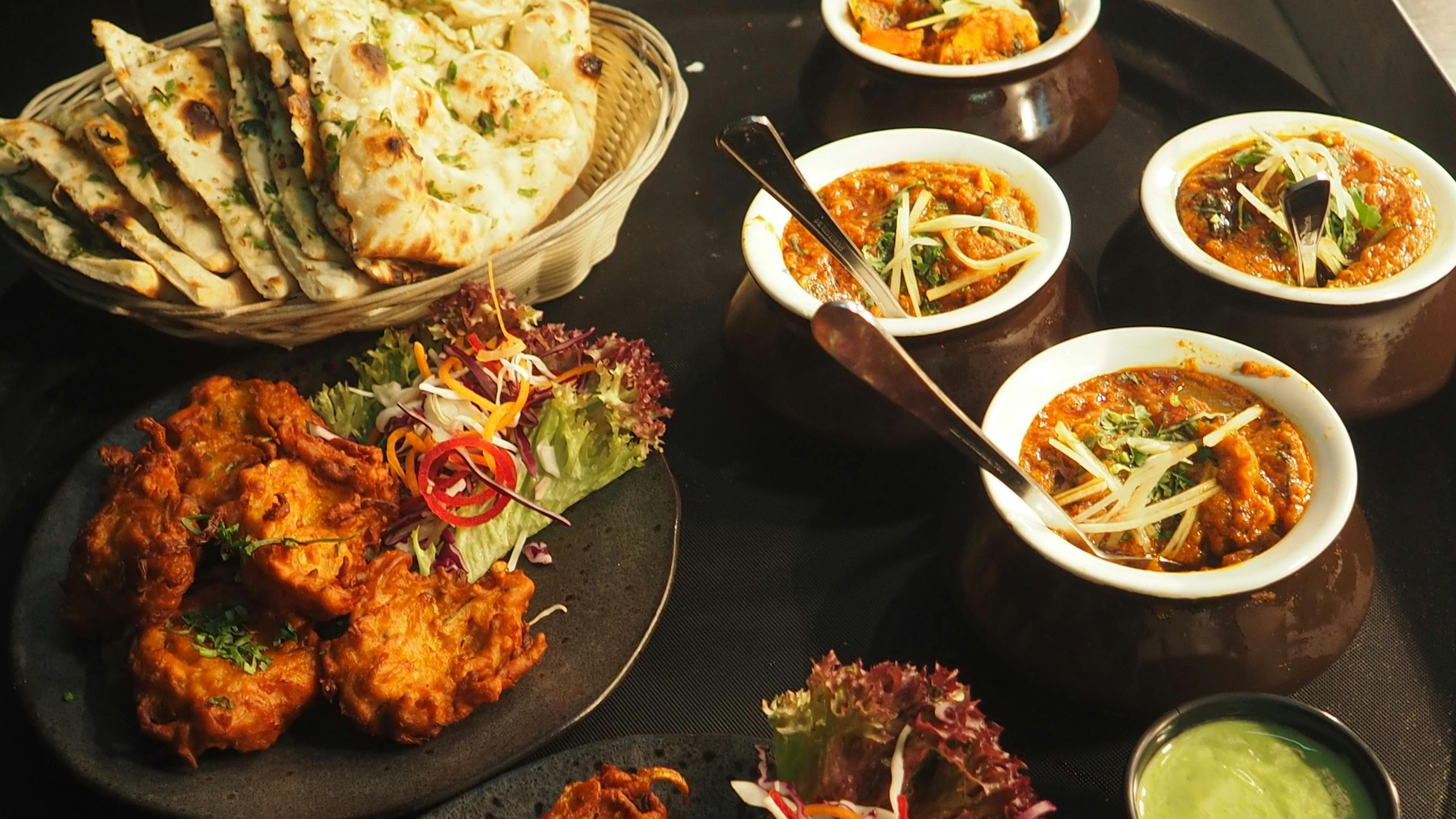
In this changing landscape, designing multicultural wedding menus has become both an art and a science. It’s about balance — respecting tradition while embracing innovation, creating harmony between biryani and bruschetta, idli and sushi.
1. Understanding Hyderabad’s Multicultural Wedding Scene
Hyderabad’s wedding ecosystem mirrors its diversity — Telugu, Marwari, Punjabi, Muslim, Anglo-Indian, and global NRI families celebrate together.
Catering for such events requires deep understanding of food sensitivities, cultural taboos, and culinary inclusivity.
The challenge isn’t just about offering variety; it’s about crafting unity through diversity — creating a menu that connects rather than separates.
2. The Foundation: Mapping Guest Demographics and Diets
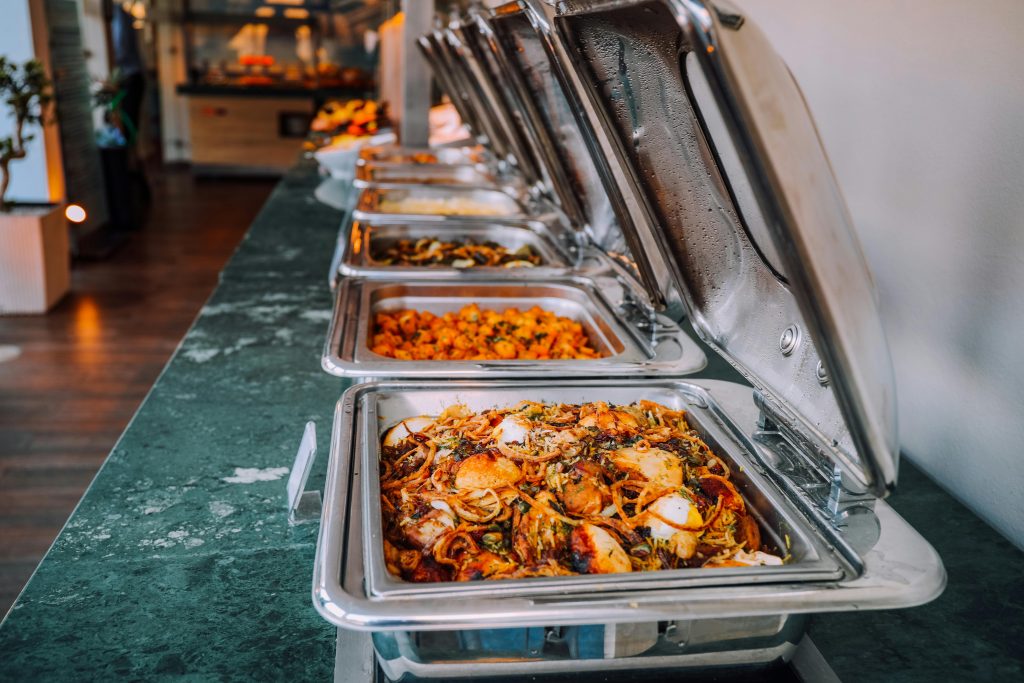
Before a single dish is chosen, professional planners and caterers conduct a guest dietary mapping exercise.
They analyze:
- Vegetarian and non-vegetarian ratios
- Regional preferences (North Indian gravies vs. South Indian tiffins)
- Religious restrictions (no beef, halal compliance, Jain options)
- International attendees (continental, vegan, gluten-free options)
This stage ensures inclusivity and avoids unintentional exclusions — a fundamental E-E-A-T principle reflecting expertise and empathy.
3. Balancing Regional Heritage with Global Taste
Hyderabad’s strength lies in fusion — a blend of Mughlai, Telugu, and global influences.
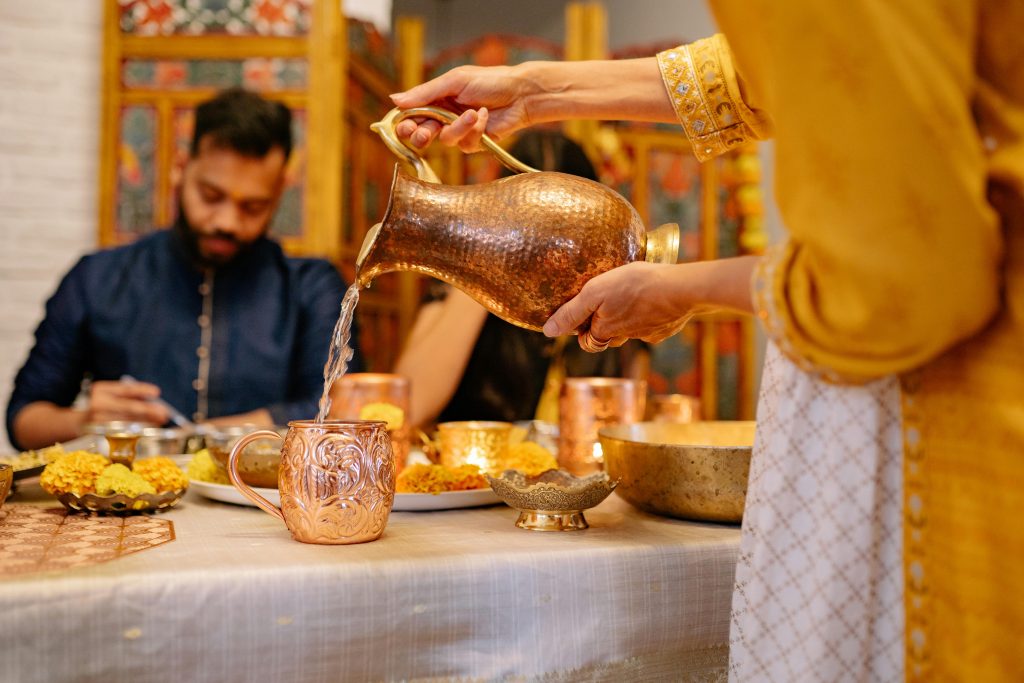
Modern multicultural weddings celebrate this balance. A single buffet might include:
- Starters: Paneer tikka, sushi rolls, hummus platters
- Main course: Hyderabadi biryani beside Thai green curry and pasta arrabbiata
- Desserts: Double ka meetha alongside tiramisu and gulab jamun cheesecake
The result? Guests feel connected — everyone finds something familiar, yet novel enough to feel festive.
4. The Role of Culinary Storytelling
Menus aren’t just lists of dishes — they’re stories told through taste.
Multicultural weddings use storytelling to connect cultures:
- Naming stations after the couple’s roots (e.g., “Mumbai Meets Madrid”)
- Pairing ancestral recipes with modern plating
- Offering tasting cards that describe a dish’s cultural significance
This builds emotional connection and enhances the event’s memorability — a key SXO element that strengthens satisfaction and shareability.
5. Design Principles for Multicultural Menus
A. Harmony in Flavors
Every cuisine carries a rhythm. The secret to a successful fusion is contrast without chaos. Spices, textures, and presentation must flow logically.
B. Cohesive Visual Language
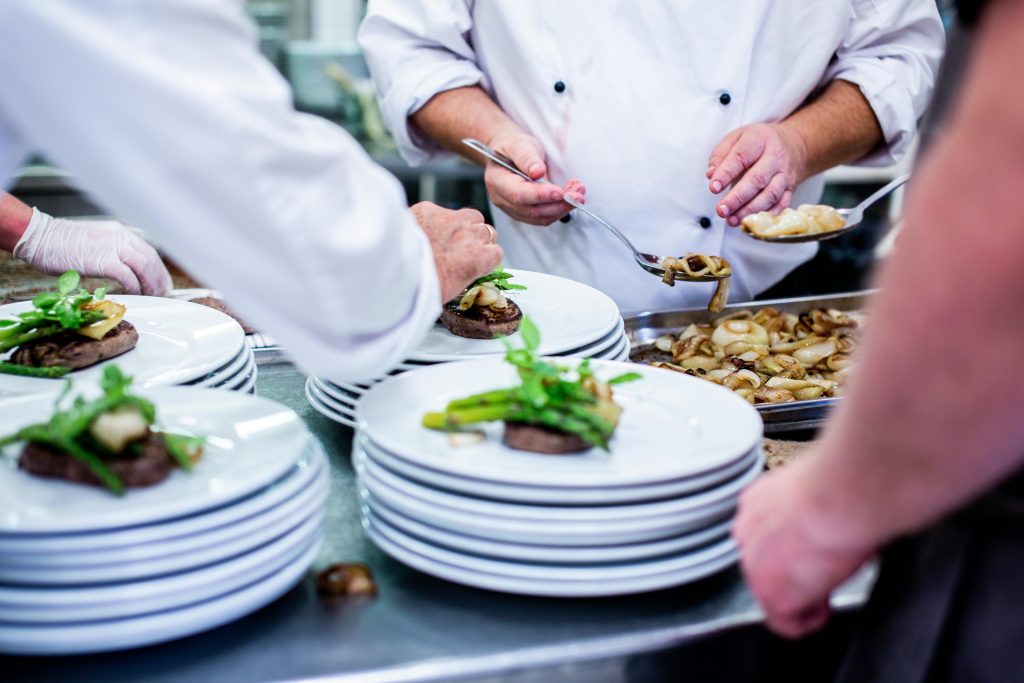
Plating styles, serveware, and garnish design must bridge aesthetics — for instance, using elegant neutral tones that fit both Indian and European dishes.
C. Inclusivity Without Overload
Offering too many cuisines can confuse guests. The focus should be depth over breadth — curating rather than crowding the table.
6. The Psychology of Taste Acceptance
Understanding how the brain reacts to unfamiliar flavors helps bridge cultural gaps.
Caterers in Hyderabad often use flavor anchoring, where one familiar element is combined with a new one — like peri-peri paneer rolls or masala hummus dips.
By introducing novelty through familiarity, guests embrace new tastes without discomfort — a subtle NLP tactic that enhances dining comfort.

7. Wedding Food Zoning: Thematic Layouts and Flow
Luxury Hyderabad venues now use food zoning — a concept borrowed from international catering design.
Different sections represent global cuisines — Indian, Continental, Pan-Asian — yet blend seamlessly through coordinated decor and lighting.
This structured flow creates a sense of exploration, ensuring guests can experience cultural diversity naturally.
8. The Rise of Live Counters and Experience Stations
Live stations are the heart of multicultural weddings. They merge showmanship with personalization.
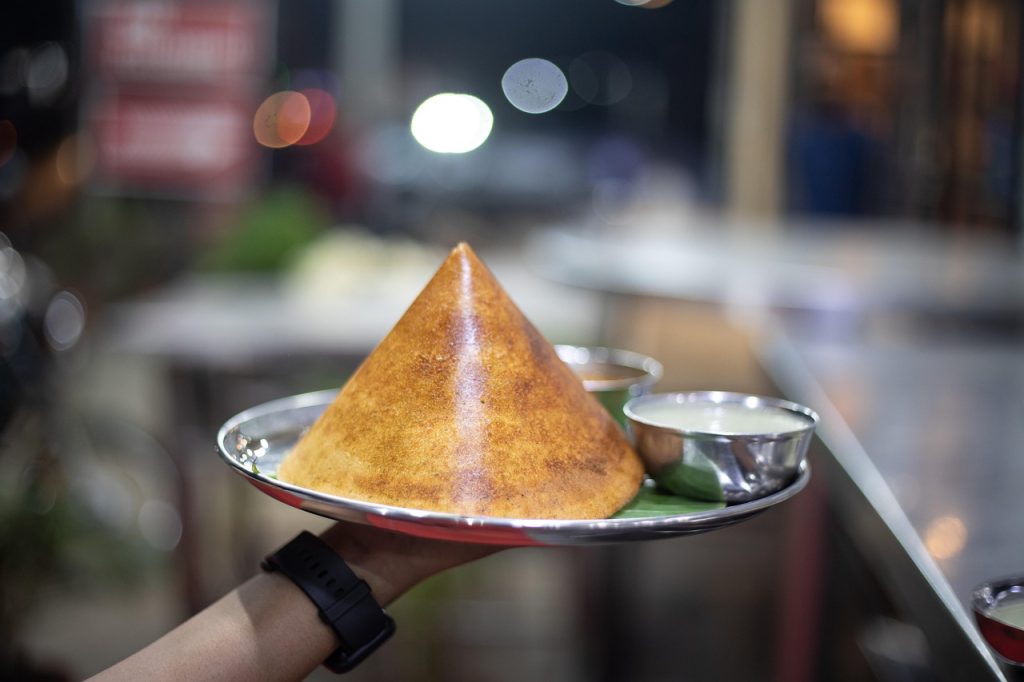
From Mongolian grills to dosa live stations and sushi bars, they transform meals into performances.
Guests can customize flavor levels, portion sizes, and toppings — empowering control and satisfaction.
For multicultural audiences, this personalization is crucial — it resolves unfamiliarity by giving choice.
9. Inclusive Desserts: The Sweet Common Ground
Desserts often serve as the bridge between cultures.
Fusion treats like rasmalai mousse, gulkand tiramisu, and fruit phirni parfaits blend local sweetness with international technique.
Dessert counters in Hyderabad weddings increasingly feature interactive plating — chefs assembling desserts on demand, ensuring freshness and engagement.
10. The Cultural Etiquette of Serving
Presentation must respect tradition.
For instance:
- Jain guests appreciate separate counters.
- Muslim guests require halal-certified dishes.
- South Indian families may prefer banana leaf service for nostalgia.
Adhering to such etiquettes builds trust and emotional comfort, ensuring inclusivity beyond taste.
11. Technology in Menu Planning
Digital menu planners and AI tools are now helping couples customize multicultural experiences.
They can simulate portion sizes, forecast waste reduction, and optimize ingredient sourcing — blending technology with creativity.
Virtual tasting previews are also emerging — allowing remote families (often NRIs) to participate in menu selection online.
12. Beverage Pairing for Diverse Guests
Inclusive weddings feature a mix of traditional and global beverages — mocktail bars, tender coconut counters, and herbal teas complementing wine stations or cold brews.
This ensures guests from every culture feel accommodated, balancing festivity with sensitivity.
13. Eco-Conscious Catering for Modern Weddings
A growing number of couples prefer sustainability over extravagance.
Biodegradable serveware, local sourcing, and minimal food wastage reflect global values — appealing to environmentally aware guests without compromising on luxury.
14. Challenges of Multicultural Menu Design
Designing such menus is complex. Challenges include ingredient sourcing, chef specialization, and maintaining temperature consistency for varied cuisines.
However, collaboration between culinary teams and event designers ensures quality control across sections — an emerging professional standard in Hyderabad’s luxury event scene.
15. The Future of Multicultural Menus
The next decade will see AI-powered personalization, virtual reality menu sampling, and smart nutrition mapping.
In Hyderabad, where tradition meets innovation, the future of weddings is not just diverse — it’s intelligently inclusive.
Conclusion
Multicultural weddings in Hyderabad symbolize unity in diversity — a celebration of food, culture, and emotion.
A well-designed menu doesn’t just feed guests; it connects generations, honors heritage, and creates timeless memories.
The perfect wedding menu, therefore, isn’t about abundance — it’s about balance, storytelling, and empathy served on a plate.