
Table of Contents
Painless Fistula Surgery for Women in Hyderabad | Female Specialist Care
An anal fistula (fistula-in-ano) is an exceptionally distressing anorectal condition that causes persistent pain, foul-smelling purulent discharge, skin irritation, and severe psychological distress. For women, experiencing chronic fluid leakage, pain, or swelling in the perianal and perineal regions introduces deep social anxiety, hygiene concerns, and personal embarrassment.
Historically, surgical correction for anal fistulas was feared due to invasive cutting techniques (fistulectomy or fistulotomy). Traditional open procedures involved laying open muscular tissues, creating large wounds that required weeks of painful daily dressings, and carrying a continuous risk of permanent damage to the anal sphincter muscles—potentially leading to fecal incontinence.
Women in Hyderabad no longer need to suffer in silence or fear invasive surgical procedures. With the advent of painless fistula surgery for women in Hyderabad, powered by state-of-the-art Laser Fistula Closure (FiLaC), female patients can undergo precise, stitchless, and sphincter-preserving treatments. Delivered by highly qualified female proctologists and colorectal surgeons, these advanced procedures guarantee complete privacy, minimal recovery time, zero scars, and an immediate return to normal life.
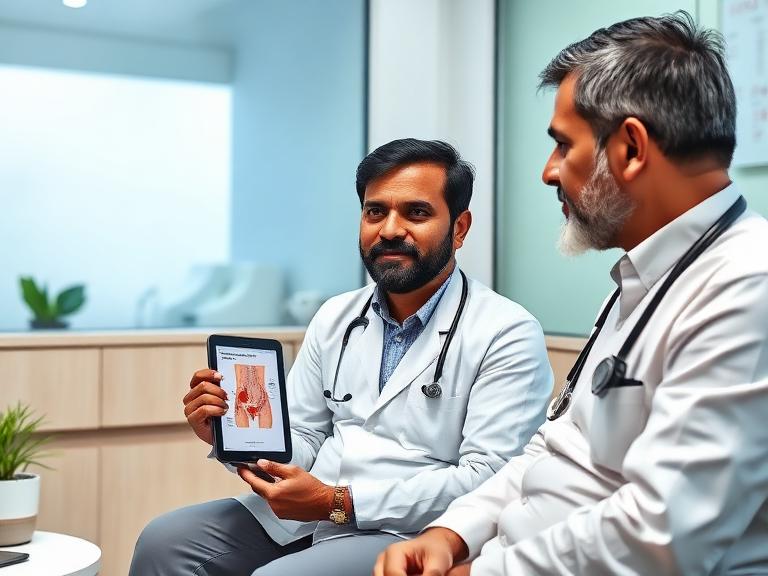
Understanding Anal Fistula in Women: Anatomy and Causes
An anal fistula is an abnormal, hollow tunnel or tract lined with inflammatory tissue that connects an internal opening inside the anal canal to an external opening in the skin surrounding the anus or perineum.
       [ Internal Opening inside Anal Canal ]
                        │
                        ▼  (Infected Tunnel / Tract)
     ===========================================
     ===  Anal Sphincter Muscle (Must Protect) ==
     ===========================================
                        │
                        ▼
       [ External Opening on Perianal Skin ]
The Pathophysiology of Fistula Formation
The majority of anal fistulas originate from an infection in the deep anal crypt glands situated between the internal and external anal sphincters.
- Anal Abscess Formation: An infected gland forms a localized collection of pus (an anal abscess).
- Spontaneous Rupture or Drainage: As pressure mounts, the abscess bursts spontaneously or is surgically drained.
- Chronic Tract Formation: Once the acute pus drains, an epithelized epithelial tunnel remains behind, continually leaking pus, mucus, or blood.
Unique Risk Factors for Women
While anal fistulas can affect anyone, women face gender-specific anatomical and physiological factors that increase susceptibility or complicate treatment:
- Obstetric Perineal Trauma: Prolonged labor, difficult instrumental deliveries (forceps or vacuum extractions), severe third- or fourth-degree perineal tears, and deep episiotomies can compromise tissue integrity between the rectum and vagina, leading to complex perineal or rectovaginal fistulas.
- Proximity of Anorectal and Vaginal Structures: The perineal body separating the vagina and anal canal is anatomically short in women. Unresolved infections can cross this delicate tissue wall, creating complex tracts.
- Inflammatory Bowel Disease (IBD): Conditions such as Crohn’s disease disproportionately present with aggressive, branching anorectal fistulas in young women.
- Gynecological & Pelvic Surgeries: Prior pelvic interventions, hysterectomies, or pelvic radiation can weaken tissue planes, making perianal tissues vulnerable to chronic fistula formation.
Why Women Prefer Female Specialists for Painless Fistula Care
Seeking care for chronic rectal drainage or pain requires overcoming substantial psychological hesitation. The availability of expert lady proctologists in Hyderabad specializing in painless laser surgery offers distinct clinical and emotional advantages:
drsamhithareddy.com
                     ┌───────────────────────────────────────────────┐
                     │  Female Patient Seeking Fistula Assessment    │
                     └───────────────────────┬───────────────────────┘
                                             │
                                             ▼
                     ┌───────────────────────────────────────────────┐
                     │ Compassionate, Female-Led Proctology Center   │
                     └───────────────────────┬───────────────────────┘
                                             │
          ┌──────────────────────────────────┴──────────────────────────────────┐
          ▼                                                                     ▼
┌──────────────────────────────────────┐                              ┌──────────────────────────────────────┐
│     Complete Emotional Modesty       │                              │ Advanced Sphincter Preservation      │
├──────────────────────────────────────┤                              ├──────────────────────────────────────┤
│ • Zero exposure hesitation           │                              │ • No cutting of anal sphincter       │
│ • Completely private consultation    │                              │ • Complete preservation of control   │
│ • Gentle, non-invasive examinations  │                              │ • Protection of pelvic floor muscle  │
└──────────────────┬───────────────────┘                              └──────────────────┬───────────────────┘
                   │                                                                     │
                   └─────────────────────────────────┬───────────────────────────────────┘
                                                     │
                                                     ▼
                                 ┌───────────────────────────────────────┐
                                 │   FiLaC (Laser Fistula Closure)       │
                                 ├───────────────────────────────────────┤
                                 │ • Stitchless, bloodless, painless     │
                                 │ • Day-care (same-day discharge)       │
                                 │ • 48-hour return to normal routine    │
                                 └───────────────────────────────────────┘
- Unmatched Personal Privacy & Modesty: Female patients can discuss intimate symptoms—such as gas or fluid leakage from perianal openings—without shame, embarrassment, or anxiety.
- Targeted Assessment of Female Pelvic Floor: Female surgeons evaluate anorectal conditions with an acute understanding of how childbirth, pelvic muscle tone, and hormonal status interact with healing.
- Gentle, Non-Rushed Physical Diagnostic Evaluation: Consultations prioritize patient comfort, utilizing topical numbing gels and non-traumatic clinical methods to prevent diagnostic discomfort.

Comprehensive Classification of Anorectal Fistulas
To deliver effective, painless laser treatment, a female proctologist categorizes the fistula based on its anatomical relation to the anal sphincter muscles (Park’s Classification):
┌─────────────────────────────────────────────────────────────────────────────────┐
│                    PARK'S CLASSIFICATION OF ANAL FISTULAS                       │
└────────────────────────────────────────┬────────────────────────────────────────┘
                                         │
     ┌───────────────────┬───────────────┴───────────────┬───────────────────┐
     ▼                   ▼                               ▼                   ▼
┌─────────┐         ┌─────────┐                     ┌─────────┐         ┌─────────┐
│ Inter-  │         │ Trans-  │                     │ Supra-  │         │ Extra-  │
│sphinc-  │         │ sphinc- │                     │ sphinc- │         │ sphinc- │
│ teric   │         │ teric   │                     │ teric   │         │ teric   │
└────┬────┘         └────┬────┘                     └────┬────┘         └────┬────┘
     │                   │                               │                   │
     ├─ Simple/Low       ├─ Crosses Both                 ├─ Loops Over       ├─ High Above
     ├─ Below Muscle     ├─ Sphincter Layer              ├─ Puborectalis     ├─ Pelvic Origin
     └─ Easiest Laser    └─ Requires Laser               └─ Complex FiLaC    └─ Advanced Care
- Intersphincteric Fistula (70% of cases): The tract travels purely within the plane between the internal and external sphincter muscles. Highly responsive to quick laser closure.
- Transsphincteric Fistula (25% of cases): The tunnel passes directly through both the internal and external anal sphincters. Traditional surgery risks cutting these muscles; laser ablation (FiLaC) is vital here to preserve sphincter integrity.
- Suprasphincteric Fistula (5% of cases): The tract loops above the puborectalis muscle before exiting. Requires specialized, high-precision laser probe navigation.
- Extrasphincteric Fistula (1% of cases): Originates high up in the rectum, bypassing the sphincter mechanism entirely; often associated with pelvic inflammation.
- Rectovaginal Fistula (RVF): A specialized fistula connecting the anterior wall of the rectum directly to the posterior wall of the vagina, causing involuntary leakage of stool or gas into the vagina.
Evolution of Fistula Surgery: Traditional vs. Modern Laser Treatment
Understanding the transformation from old open surgical methods to state-of-the-art laser proctology helps clarify why modern treatments are painless and highly effective.
| Clinical Parameter | Traditional Open Surgery (Fistulectomy / Fistulotomy) | Modern Painless Laser Surgery (FiLaC – Fistula Laser Closure) |
|---|---|---|
| Surgical Technique | Scalpel cutting to lay open or completely cut out the infected tunnel. | Flexible 360-degree radial laser fiber inserted inside the existing tract to shrink and seal it from within. |
| Impact on Sphincter Muscles | High risk of cutting sphincter muscle fibers, risking irreversible fecal incontinence. | Zero muscle cutting. Preserves complete voluntary sphincter control. |
| Pain Level | Severe to intense post-operative pain lasting several weeks. | Minimal to zero pain, easily managed with standard oral medications. |
| Wound & Cuts | Leaves large, open, deep surgical wounds near the anus. | No cuts, no stitches, no open wounds. |
| Post-Op Wound Dressing | Painful, daily open wound packings and gauze replacements for 4–6 weeks. | No painful internal packing needed; simple clean pad for 1-2 days. |
| Hospital Stay | 2 to 4 days of mandatory bed rest in the hospital. | Day-Care Procedure: Discharged within 4 to 6 hours on the same day. |
| Recovery Period | 4 to 8 weeks away from work and regular physical routines. | Resume desk work in 48 to 72 hours; full healing within 2 to 3 weeks. |
| Recurrence Risk | 15% to 20% due to incomplete excision or uneven wound healing. | Low recurrence rate (around 5–8%) when performed by experienced proctologists. |
FiLaC (Fistula-tract Laser Closure): Step-by-Step Surgical Workflow
FiLaC is an advanced, German-engineered laser technique that utilizes diode laser energy delivered via a specialized 360-degree emitting radial fiber optic probe.
Vivekananda Hospital
Step 1: Diagnostic Mapping (MRI / Proctoscopy)
                   │
                   ▼
Step 2: Gentle Cleaning & Debridement of Fistula Tract
                   │
                   ▼
Step 3: Insertion of Flexible Radial Laser Fiber
                   │
                   ▼
Step 4: Controlled 360° Photothermal Energy Emission
                   │
                   ▼
Step 5: Shrinkage, Denaturation, and Permanent Sealing of Tract
- Anesthesia Administration: The patient is placed under comfortable, short-acting spinal or general anesthesia, rendering the entire procedure 100% painless.
- Tract Preparation & Cleaning: The surgeon gently identifies the external opening, cleans out necrotic debris, purulent fluid, and granulations using delicate curettes, and flushes the tunnel with sterile saline.
- Laser Fiber Insertion: A thin, flexible radial fiber optic probe connected to a 1470nm diode laser machine is introduced through the external opening and guided smoothly along the path until it reaches the internal opening.
- Photothermal Ablation & Sealing: Controlled diode laser energy is fired radially in a 360-degree beam. As the surgeon slowly withdraws the probe at a measured rate (2–3 mm per second), the photothermal heat collapses the tract wall, denatures the inflamed lining, and seals the internal and external openings shut without damaging surrounding muscular tissues.
- Internal Closure: The internal opening inside the anal mucosa is secured using a tiny, self-dissolving suture or a mucosal advancement flap if needed, ensuring complete sealing against bowel contents.
Cost of Painless Laser Fistula Surgery in Hyderabad
The overall financial investment for laser fistula surgery in Hyderabad is transparent and covered by health insurance providers:
Vivekananda Hospital
| Treatment Category | Estimated Price Range (INR) | Key Inclusions |
|---|---|---|
| Simple / Low-Lying Laser Fistula (FiLaC) | ₹45,000 – ₹65,000 | Day-care admission, surgeon fees, laser machine usage, local/spinal anesthesia, basic medication. |
| Complex / High-Lying / Recurrent Fistula | ₹65,000 – ₹95,000 | Advanced MRI mapping, high-power diode fiber, specialized seton/flap combination, day-care stay. |
| Rectovaginal Fistula Laser Repair | ₹75,000 – ₹1,10,000 | Multi-specialty female surgical team, specialized tissue flap closure, overnight monitoring, post-op care. |
Health Insurance & Cashless Facilities
Laser fistula closure (FiLaC) is a medically necessary day-care procedure. Almost all major private health insurance companies and Third-Party Administrator (TPA) networks offer 100% cashless treatment approval. Furthermore, leading clinics provide 0% interest EMI payment options to ease financial planning.
Vivekananda Hospital+ 2
Diagnostic Journey: From First Consultation to Procedure
To ensure a smooth, comfortable experience, top female proctology clinics in Hyderabad follow a structured protocol:
┌─────────────────────────────────────────────────────────────────┐
│  Step 1: Private Consultation & Symptom Discussion               │
└────────────────────────────────┬────────────────────────────────┘
                                 │
                                 ▼
┌─────────────────────────────────────────────────────────────────┐
│  Step 2: Gentle Clinical Check-up with Local Anesthetic Gel    │
└────────────────────────────────┬────────────────────────────────┘
                                 │
                                 ▼
┌─────────────────────────────────────────────────────────────────┐
│  Step 3: High-Precision Imaging (3D MRI Fistulogram)            │
└────────────────────────────────┬────────────────────────────────┘
                                 │
                                 ▼
┌─────────────────────────────────────────────────────────────────┐
│  Step 4: 30-Minute Day-Care Laser Procedure (FiLaC)             │
└────────────────────────────────┬────────────────────────────────┘
                                 │
                                 ▼
┌─────────────────────────────────────────────────────────────────┐
│  Step 5: Same-Day Discharge & 48-Hour Rapid Home Recovery       │
└─────────────────────────────────────────────────────────────────┘
- Detailed Symptom Evaluation: Discussion regarding discharge duration, localized pain, previous abscesses, pregnancy history, and bowel habits in a fully private room.
- Gentle Clinical Examination: Conducted in a comfortable side-lying position with a female nursing attendant present. Local numbing gels are applied prior to palpation.
- 3D MRI Fistulogram Mapping: For complex, high-lying, or recurrent fistulas, a non-invasive MRI fistulogram provides a precise road map of secondary branching tracts, hidden abscesses, and muscle relations, ensuring complete treatment during laser ablation.
- Seamless Surgical Execution: The procedure takes 30 to 45 minutes in a day-care surgical suite.
- Rapid Discharge: Once recovery from light anesthesia is verified (within 4 to 6 hours), the patient is discharged home comfortably.
Recovery Guidelines and Post-Surgery Care for Women
Recovering from laser fistula surgery is quick and manageable. Adhering to simple lifestyle guidelines ensures fast recovery:
Yashoda Hospital
                  ┌──────────────────────────────────────────┐
                  │ POST-LASER SURGERY RECOVERY ROADMAP      │
                  └────────────────────┬─────────────────────┘
                                       │
     ┌─────────────────────────────────┼─────────────────────────────────┐
     ▼                                 ▼                                 ▼
┌─────────────────────────┐   ┌─────────────────────────┐   ┌─────────────────────────┐
│ Days 1 to 2: Rest & Care│   │ Days 3 to 7: Light Work │   │ Weeks 2 to 3: Healing   │
├─────────────────────────┤   ├─────────────────────────┤   ├─────────────────────────┤
│ • Warm Sitz baths (2x)  │   │ • Resume desk job       │   │ • Full internal healing │
│ • Take stool softeners  │   │ • Eat 30g daily fiber   │   │ • Normal physical work  │
│ • Hydrate (3L water)    │   │ • Walk 20-30 mins daily │   │ • Discontinue medication│
└─────────────────────────┘   └─────────────────────────┘   └─────────────────────────┘
- Warm Sitz Baths: Sit in a tub filled with plain warm water for 10 to 15 minutes, two to three times a day. This keeps the perianal area clean, relaxes pelvic floor muscles, and reduces localized swelling.
- Dietary Fiber Integration: Consume 25–30 grams of fiber daily through green leafy vegetables, fresh fruits, oats, and psyllium husk. Soft stools prevent straining and allow the sealed tract to rest undisturbed.
- Hydration Protocol: Drink 2.5 to 3 liters of water daily to maintain optimal stool consistency.
- Avoid Straining: Do not push during bowel movements or sit on the toilet for longer than 3–5 minutes.
- Gentle Perineal Hygiene: Pat the perineal area dry with clean, soft cotton towels. Avoid harsh soaps, scented wipes, or aggressive scrubbing.
Key Locations for Female Fistula Surgery in Hyderabad
Hyderabad features modern medical infrastructure and day-care proctology centers staffed by female specialists across key commercial and residential hubs:
drsamhithareddy.com
- Hitech City & Gachibowli: Advanced surgical centers equipped with state-of-the-art diode laser setups, catering to IT professionals seeking fast day-care procedures and rapid return to work. Yashoda Hospital
- Jubilee Hills & Banjara Hills: Super-specialty hospitals offering luxury private rooms, dedicated female proctology clinics, and advanced pelvic floor diagnostics.
- Kukatpally, Kondapur & Nizampet: Easily accessible laser proctology centers providing specialized female consultations and comprehensive insurance processing.
- Secunderabad & Somajiguda: Multi-specialty hospitals with established colorectal departments specializing in complex and recurrent fistula management.

Frequently Asked Questions (FAQs)
Q1: Is laser fistula surgery truly painless for women?
A: Yes, laser fistula surgery (FiLaC) is performed under localized, spinal, or short general anesthesia, making the procedure completely painless. Post-operatively, because there are no open wounds or surgical cuts, patients experience minimal discomfort easily controlled with mild oral pain relievers.
Vivekananda Hospital+ 1
Q2: Why is laser fistula surgery preferred over open surgery for female patients?
A: Traditional open surgery cuts through anal sphincter muscles, leaving open wounds that require weeks of painful daily dressings and carrying a risk of fecal incontinence. Laser surgery seals the tunnel from within without cutting muscle, preserving complete bowel control and pelvic floor strength.
Vivekananda Hospital
Q3: What is the cost of painless laser fistula surgery for women in Hyderabad?
A: The cost typically ranges from ₹45,000 to ₹95,000 depending on the complexity of the fistula tract (simple vs. complex/recurrent), hospital category, and surgeon expertise.
Vivekananda Hospital
Q4: Can an anal fistula heal automatically with antibiotics or oral medicines?
A: No. Antibiotics can suppress localized infection or manage an acute abscess, but they cannot close the anatomical tunnel (fistula tract). Surgical or laser closure of the tract is necessary for a permanent cure.
Q5: Why are women at risk for complex or rectovaginal fistulas?
A: Obstetric factors such as prolonged labor, severe perineal tears during vaginal delivery, instrumental delivery, or deep episiotomies can compromise the wall between the rectum and vagina, resulting in complex anorectal or rectovaginal fistulas.
Q6: How long does a woman take to recover after painless laser fistula surgery?
A: Most female patients walk comfortably within hours after the procedure and return to light office or household duties within 48 to 72 hours. Complete internal tissue healing occurs within 2 to 3 weeks.
Q7: Is hospitalization required for laser fistula closure (FiLaC)?
A: Laser fistula closure is performed as a day-care procedure. Patients are usually admitted in the morning, undergo the 30-to-45-minute laser ablation, and are discharged home on the same day within 4 to 6 hours.
Vivekananda Hospital+ 1
Q8: Does health insurance cover laser fistula surgery in Hyderabad?
A: Yes, laser fistula surgery (FiLaC) is a medically recognized day-care procedure covered by almost all major private health insurance policies and corporate TPA networks in Hyderabad.
Vivekananda Hospital
Q9: What is the difference between simple and complex fistulas in women?
A: A simple fistula involves a single, low-lying tract passing through minimal sphincter muscle. A complex fistula has high-lying tracts, multiple secondary branches, or involves a large portion of the sphincter muscle complex or rectovaginal septum.
Q10: Why is seeing a lady proctologist for fistula surgery advantageous for female patients?
A: A female proctologist offers complete modesty, eliminates hesitation during intimate examinations, and possesses specialized expertise in preserving female pelvic floor integrity and repairing birth-related tissue defects.
Q11: Will laser fistula surgery leave visible scars on the perineal area?
A: No. Laser fistula closure requires no skin incisions. The laser fiber enters through the existing natural opening of the fistula tract, leaving no surgical scars.
Vivekananda Hospital
Q12: Can a fistula recur after laser treatment?
A: Recurrence rates following laser fistula ablation (FiLaC) performed by experienced surgeons are low (around 5–8%), compared to 15–20% with conventional open surgical techniques.
Q13: What diagnostic tests are needed before laser fistula surgery?
A: A clinical examination by a proctologist is primary. To map high-lying or complex fistula tracts precisely, an MRI Fistulogram or Endoanal Ultrasound (EAUS) is recommended.
Q14: Are there any special post-surgery hygiene rules for female patients?
A: Patients are advised to take warm sitz baths 2-3 times daily, gently pat the perineal area dry with clean towels, wear breathable cotton undergarments, and avoid scented chemical body washes.
Q15: Where can I find top centers for female painless fistula surgery in Hyderabad?
A: Specialized laser centers staffed by expert lady proctologists are located across Hyderabad’s major healthcare hubs, including Hitech City, Jubilee Hills, Gachibowli, Kukatpally, Banjara Hills, and Secunderabad.