
Table of Contents
Irregular Periods Treatment in Vizag | Complete Guide
Irregular periods are common and often treatable, but they should not be ignored—especially if cycles are consistently delayed, very frequent, unusually heavy, or associated with pain. The right irregular periods treatment depends on the cause, which may include PCOS, thyroid imbalance, stress, weight changes, or hormonal disturbances.

2. Introduction
A period that comes “whenever it wants” can feel like a small inconvenience at first. But for many women, irregular cycles slowly become something bigger—stress, confusion, and fear.
In Vizag (Visakhapatnam), it’s extremely common for women to search online for:
- “Why is my period late?”
- “Why am I bleeding twice a month?”
- “Is this PCOS?”
- “Can irregular periods affect fertility?”
- “Which doctor is best for irregular periods?”
The challenge is that irregular periods are not a single disease. They are a symptom. And the right answer depends on why your cycle is irregular.
Some women need reassurance and simple lifestyle guidance. Others need hormonal evaluation. A few may require deeper investigation to rule out conditions like fibroids, endometriosis, thyroid disorders, or abnormal uterine bleeding.
This doctor-led guide will help you understand:
- What counts as “irregular”
- The most common causes
- Which tests matter
- What irregular periods treatment looks like (without fear)
- When you should consult a gynecologist in Vizag
You’ll also learn how women in Madhurawada and across Visakhapatnam often choose a doctor for long-term cycle care and pregnancy planning.
3. What Counts as Irregular Periods?
Many women assume irregular periods only mean “late periods.” But irregularity can look different.
A cycle is typically considered normal if:
- It comes every 21 to 35 days
- Bleeding lasts 2 to 7 days
- Flow is manageable and predictable
Your cycle may be irregular if you experience:
1) Delayed periods
- Cycles longer than 35 days
- Periods skipping for 2–3 months
2) Frequent periods
- Periods coming every 15–20 days
3) Heavy bleeding
- Soaking pads frequently
- Passing clots
- Feeling dizzy or weak
4) Spotting between periods
- Brown discharge
- Bleeding after sex
- Random mid-cycle spotting
5) Sudden change in pattern
Even if your cycles were regular before.
When irregularity becomes consistent, it’s time to consider proper irregular periods treatment rather than waiting.
4. Why Irregular Periods Should Not Be Ignored
Irregular periods are common, but they’re not always harmless.
Ignoring them can lead to:
- Anemia (especially with heavy bleeding)
- Hormonal imbalance worsening
- Fertility delays
- Endometrial thickening due to prolonged cycles
- Missing early signs of thyroid or metabolic issues
Most importantly, irregular periods often affect emotional wellbeing. Women frequently feel:
- “Something is wrong with my body”
- “I don’t know what’s happening”
- “I’m scared of infertility”
A good doctor doesn’t just give tablets. They explain what’s happening and guide you step-by-step.
5. The Most Common Causes of Irregular Periods (In Vizag)
There are several causes. Some are common, some are less common but important.
1) PCOS (Polycystic Ovary Syndrome)
PCOS is the most frequent cause of irregular cycles in young women.
Typical signs:
- Delayed periods
- Acne
- Facial hair growth
- Weight gain
- Difficulty conceiving
PCOS-related irregular periods treatment usually focuses on:
- Lifestyle correction
- Hormonal balance
- Ovulation regulation (if fertility is a goal)
2) Thyroid imbalance
Both hypothyroidism and hyperthyroidism can affect cycles.
Signs:
- Weight changes
- Fatigue
- Hair fall
- Mood changes
- Constipation
3) Stress and sleep disruption
Stress affects the hypothalamus—the brain center that regulates hormones.
Common triggers:
- Work stress
- Relationship stress
- Exam stress
- Poor sleep schedules
4) Weight changes
Rapid weight gain or weight loss can disturb ovulation.
5) Post-pill hormonal changes
After stopping birth control pills, cycles may take time to normalize.
6) Perimenopause
Women in late 30s and 40s may experience irregular cycles due to fluctuating hormones.
7) Fibroids or uterine polyps
These commonly cause:
- Heavy bleeding
- Prolonged periods
- Spotting
8) Endometriosis or adenomyosis
Often associated with:
- Painful periods
- Heavy bleeding
- Pain during sex
9) Elevated prolactin
High prolactin can stop ovulation and cause missed periods.
10) Pregnancy (including early pregnancy)
A missed period is not always PCOS. Pregnancy should be ruled out first.
6. When Irregular Periods Need Urgent Attention
Some symptoms should never be ignored.
Consult a gynecologist urgently if you have:
- Bleeding so heavy you change pads every 1–2 hours
- Dizziness, weakness, or fainting
- Bleeding for more than 10 days
- Severe lower abdominal pain
- Bleeding after menopause
- Missed periods with sudden weight loss, hair fall, or fatigue
- Irregular periods with suspected pregnancy
Proper irregular periods treatment starts with identifying risk.
7. What Tests Are Done for Irregular Periods?
Many women worry that irregular cycles mean “many expensive tests.” In reality, most cases require only a few essential evaluations.
A gynecologist typically recommends:
1) Pregnancy test (first step)
Especially if periods are delayed.
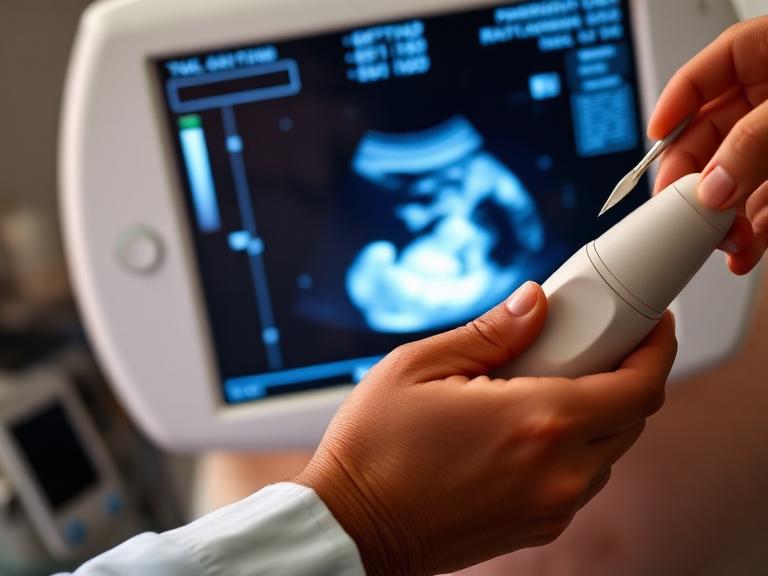
2) Pelvic ultrasound
To check:
- Ovaries (PCOS pattern, cysts)
- Uterus (fibroids, polyps)
- Endometrial thickness
3) Thyroid profile (TSH)
A very common hidden cause.
4) Prolactin
High prolactin can disrupt cycles.
5) Hemoglobin / CBC
To check anemia in heavy bleeding.
6) Blood sugar / HbA1c
Important in PCOS or weight-related cycles.
7) Hormone profile (if needed)
- LH, FSH
- Testosterone
- AMH (optional)
The best irregular periods treatment is always based on evidence—not guesswork.
8. What Irregular Periods Treatment Actually Means (Not Just “Period Tablets”)
Many women think irregular periods treatment is simply taking a tablet to “bring periods.”
But there are two important goals:
- Regulate the cycle safely
- Treat the cause, not just the symptom
Treatment depends on your life stage
A 19-year-old student, a 29-year-old trying to conceive, and a 42-year-old with heavy bleeding need completely different care.
A good gynecologist will first ask:
- How long has this been happening?
- Are you sexually active?
- Do you want pregnancy now?
- Any weight changes?
- Any stress?
- Any symptoms like acne, hair growth, fatigue?
Then they create a plan.
9. Irregular Periods Treatment Options (Based on Cause)
A) Lifestyle and cycle support
For many women, lifestyle changes are not “optional.” They are medical therapy.
This includes:
- Balanced meals with protein and fiber
- Reducing refined sugar
- Regular walking or strength training
- Sleep correction
- Stress management
Lifestyle is especially effective for PCOS.
B) Hormonal regulation medicines
Sometimes needed to:
- regulate bleeding
- protect the uterine lining
- improve hormonal balance
Your doctor will choose based on:
- age
- symptoms
- fertility plans
- medical history
C) Treating thyroid imbalance
If thyroid is the cause, correcting thyroid hormones often normalizes cycles.
D) Managing PCOS
PCOS-related irregular periods treatment may include:
- lifestyle correction
- insulin resistance management (if needed)
- ovulation support (if pregnancy desired)
E) Treating fibroids or polyps
If heavy bleeding is due to fibroids/polyps:
- medicines may help temporarily
- surgery may be needed in some cases
F) Managing abnormal uterine bleeding
If bleeding is frequent or unpredictable, evaluation is important.
10. Irregular Periods and Fertility: Can You Still Get Pregnant?
Yes—many women with irregular cycles conceive.
But irregular periods can make it difficult because:
- ovulation may not happen regularly
- the fertile window becomes unpredictable
- the uterine lining may not support implantation if cycles are prolonged
If you’re trying for pregnancy, irregular periods treatment often focuses on:
- confirming ovulation
- tracking follicular growth
- timing intercourse properly
- correcting metabolic and hormonal factors
11. Common Struggles Women Face With Irregular Periods
This is the part most articles skip—but it’s the part women actually live through.
1) Fear of infertility
Even before marriage, women worry:
- “Will I be able to conceive later?”
2) Embarrassment
Unpredictable bleeding can cause:
- social discomfort
- fear of leakage
- anxiety at work or college
3) Confusion due to internet information
Online advice can be overwhelming:
- home remedies
- supplements
- myths like “your uterus is weak”
- panic about cancer
4) Emotional exhaustion
Women often feel:
- tired of waiting
- tired of uncertainty
- tired of “not knowing when”
A good gynecologist understands that irregular periods treatment is not just medical—it’s emotional reassurance too.
12. How to Choose the Right Gynecologist in Vizag for Irregular Periods
If you are looking for long-term care, here’s what truly matters.
1) Experience in hormonal and menstrual disorders
The doctor should confidently manage:
- PCOS
- thyroid-related cycles
- abnormal uterine bleeding
- fibroids and cysts
2) Clear explanation of tests and diagnosis
You should understand:
- why each test is needed
- what the results mean
- what the plan is
3) Patient and non-judgmental communication
Many women fear being blamed for:
- weight
- lifestyle
- stress
A good doctor is supportive, not harsh.
4) Personalized plan
Irregular periods treatment should not be “same tablets for everyone.”
5) Continuity of care
Cycle issues often require follow-up. A clinic where you can see the same doctor helps a lot.
13. Why Many Women Choose Vedanta Speciality Clinics for Irregular Periods Treatment in Vizag
In Visakhapatnam, many women prefer care in a setting that feels calm, consistent, and focused on women’s health.
Vedanta Speciality Clinics and Vedanta Women and Children’s Hospital, located in Madhurawada, Visakhapatnam, are often chosen for menstrual and hormonal concerns because of:
- Women-focused gynecology services
- PCOS, ovarian cyst, fibroid, and hormonal disorder evaluation
- Ultrasound-based assessment and follow-up planning
- Patient-centric approach
- Continuity of care under one doctor
For women dealing with recurring cycle issues, having a consistent doctor can make irregular periods treatment less stressful and more effective.
14. Doctor’s Insight: Dr. Radhika Dhanekula Explains…
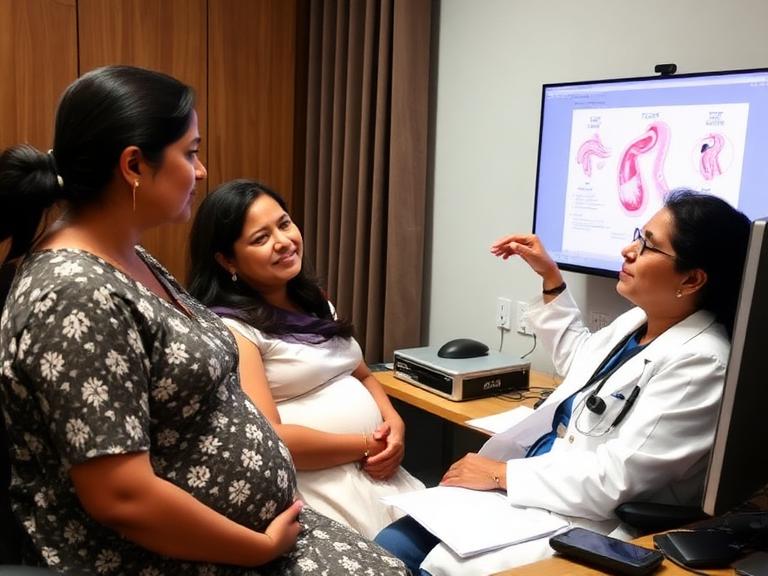
“Irregular periods are one of the most common reasons women visit a gynecologist. In most cases, the cause is treatable—PCOS, thyroid imbalance, stress, or hormonal changes. The key is not to self-medicate repeatedly. A structured evaluation and a step-by-step plan help women regain confidence in their cycle and fertility.”
Dr. Radhika Dhanekula (MS – Obstetrics & Gynaecology, MBBS) is an Obstetrician, Gynecologist, and Laparoscopic Surgeon (Obs & Gyn) with 14 years overall experience (including 5 years as specialist). She is known for:
- Evidence-based cycle evaluation
- PCOS and fertility-focused management
- Conservative, stepwise treatment planning
- Clear counseling and reassurance
- Support from cycle correction to pregnancy care
Education:
- MS OBGYN – Andhra Medical College, Visakhapatnam
- MBBS – Dr. NTR University of Health Sciences
15. Can Irregular Periods Be Fixed Permanently?
This depends on the cause.
- If stress or lifestyle is the cause, cycles often normalize with changes.
- If PCOS is the cause, cycles improve with consistent management.
- If thyroid is the cause, correcting thyroid usually stabilizes cycles.
- If fibroids are the cause, treatment may be needed.
Many women do achieve long-term improvement, but it requires:
- follow-up
- patience
- a realistic plan
16. What You Should Avoid (Common Mistakes)
These mistakes delay recovery:
1) Repeated “period tablets” without diagnosis
This can hide the real cause.
2) Ignoring long gaps between periods
If you don’t bleed for 2–3 months repeatedly, it needs evaluation.
3) Assuming it’s “normal after marriage”
Irregular cycles are not automatically normal.
4) Trying random supplements without guidance
Some supplements can interfere with hormones.
5) Not checking thyroid and prolactin
These are common and treatable causes.
17. When Should You Consult a Gynecologist?
You should consult a gynecologist if you have:
Pre-marriage / general women’s health
- irregular cycles for more than 3 months
- heavy or painful periods
- acne and facial hair with delayed periods
Pregnancy planning
- irregular cycles with difficulty conceiving
- suspected PCOS
- recurrent early pregnancy loss
High-risk signs
- very heavy bleeding
- anemia symptoms
- bleeding between periods
- severe pain
Routine women’s health
Even if you’re not trying to conceive, cycle health matters for long-term wellbeing.
18. FAQs (People-Also-Ask Style)
1) What is the best irregular periods treatment?
The best irregular periods treatment depends on the cause. Common causes include PCOS, thyroid imbalance, stress, and weight changes. A gynecologist will recommend tests and a personalized plan.
2) Which doctor should I consult for irregular periods?
You should consult a gynecologist (OBGYN). If the cause is thyroid-related, the gynecologist may coordinate care with a physician/endocrinologist.
3) Can irregular periods be a sign of PCOS?
Yes. PCOS is one of the most common causes of irregular periods, especially in young women. Symptoms may include acne, facial hair, and weight gain.
4) Can irregular periods cause infertility?
Irregular periods can indicate irregular ovulation, which may make conception difficult. With proper evaluation and treatment, many women conceive successfully.
5) What tests are needed for irregular periods?
Common tests include pregnancy test, pelvic ultrasound, thyroid profile (TSH), prolactin, hemoglobin, and sometimes hormone profile depending on symptoms.
6) Is missed period always pregnancy?
No. Pregnancy is one cause, but missed periods can also be due to PCOS, thyroid imbalance, stress, weight changes, or hormonal disturbances.
7) How long is too long without periods?
If you miss periods for more than 2–3 months repeatedly, you should consult a gynecologist. Long gaps may affect uterine lining health and fertility planning.
8) Can irregular periods be normal?
In teenagers and perimenopausal women, mild irregularity can occur. But consistent irregular cycles at any age should be evaluated to rule out treatable causes.